

Introduction
To make smart food decisions, you need to know the distinctions between whole milk vs 2 percent milk. Many people throughout the world eat milk every day because it has important nutrients like calcium, vitamin D, protein, and healthy fats. Whole milk and 2 percent milk have about the same amounts of vitamins and minerals, but the main difference is how much fat they have.
Whole milk has roughly 3.25% milk fat, which makes it creamier and more flavorful. Reduced-fat milk, also called 2 percent milk, comprises 2% milk fat, which makes it taste lighter and have less calories. This small variation can have an effect on heart health, weight loss, and cooking.
People commonly choose between whole milk vs 2 percent milk based on their health goals, taste preferences, and nutritional needs. People often wonder if the lower fat content in 2 percent milk is better than the creamy texture and possible fullness benefits of whole milk.
Whole Milk vs. 2 Percent: What They Are Made Of

When you look at the nutritional content of whole milk vs 2 percent milk, you can see that they have very different amounts of fat and calories. Both kinds of milk have a lot of good protein and vitamins, but the amount of fat is what makes them taste good and gives them energy.
A cup of whole milk has about 150 calories and 8 grams of fat. Whole milk has more saturated fat, which makes it taste and feel creamy. On the other hand, 2 percent milk has about 120 calories and 5 grams of fat per cup. Both have almost the same amount of protein, with 8 grams per cup, which helps muscles grow and heal.
Whole milk may provide somewhat more fat-soluble vitamins like A and D since it has more fat. In many countries, both types of milk have added vitamin D to help the body absorb calcium and keep bones healthy.
| Nutrient | Whole Milk (1 cup) | 2 Percent Milk (1 cup) |
|---|---|---|
| Calories | 150 | 120 |
| Total Fat | 8 g | 5 g |
| Saturated Fat | 5 g | 3 g |
| Protein | 8 g | 8 g |
| Carbohydrates | 12 g | 12 g |
| Calcium | 300 mg | 300 mg |
| Vitamin D | 2.5 mcg | 2.5 mcg |
The nutritional profile reveals that the biggest difference between whole milk and 2 percent milk is the amount of fat. This affects both the number of calories you eat and how you taste the milk.
Health Effects of Whole Milk vs. 2 Percent
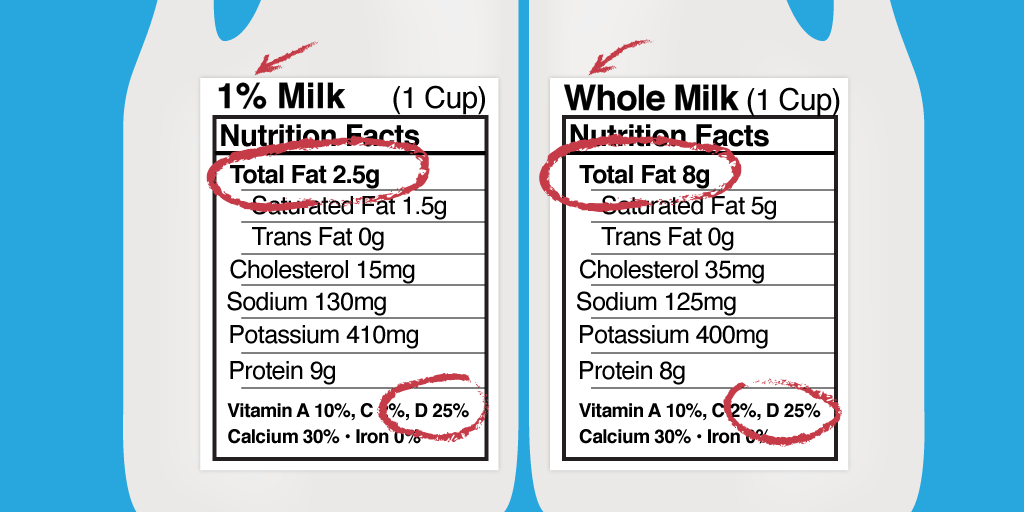
When comparing whole milk vs 2 percent, health effects are usually the most important thing to think about. Fat content has historically been linked to heart disease risk, but new research show that full-fat dairy may not always raise the risk of heart disease in healthy people.
Whole milk has more fat, which makes you feel fuller, which can help you eat less calories overall. On the other hand, 2 percent milk has fewer calories and fat, which may help those who are trying to lose weight keep track of how much energy they eat.
Whole milk has a little more cholesterol in it, but for most people, drinking it in moderation doesn’t raise their blood cholesterol levels. Some research even says that whole milk can raise HDL (good) cholesterol.
The decision between whole milk vs 2 percent milk may also have an effect on metabolic health. Some studies have found that eating full-fat dairy products lowers the incidence of type 2 diabetes in some groups of people. On the other hand, standard dietary guidelines for heart health frequently suggest eating less fat.
Flavor and Cooking Use
Taste and how it can be used in cooking are major parts of the whole milk vs. 2 percent dispute. People love whole milk because of its rich, creamy texture. It’s great for coffee, baking, and cooking foods that need more smoothness.
Some people like 2 percent milk better since it has a lighter taste and thinner viscosity. This makes it easier to drink or add to cereals without making them too sweet. When cooking, 2 percent milk is good for sauces, soups, and smoothies, although it might not be as creamy as whole milk.
Professional cooks often choose the sort of milk they use based on what the recipe calls for. Whole milk can make custards, puddings, and ice creams taste and feel better. On the other hand, 2% milk is good for recipes where you want to cut down on calories or fat.
Effect on Managing Weight
When deciding between whole milk vs 2 percent, people often think about how it will affect their weight. Whole milk may make you feel fuller, which could help you avoid eating too much during the day. Lower-fat milk, on the other hand, has less calories per serving.
Some studies show that persons who consume full milk may have the same or even better weight outcomes than people who drink reduced-fat milk. The fat in whole milk slows down digestion, which helps keep blood sugar levels constant and makes you feel full longer after meals.
2 percent milk is a good choice for people who want to balance flavor and calorie intake because it has some creaminess but fewer calories.
| Factor | Whole Milk | 2 Percent Milk |
|---|---|---|
| Satiety | High | Moderate |
| Calories per cup | 150 | 120 |
| Weight management | May support fullness | Supports lower calorie intake |
| Blood sugar impact | Slower digestion | Slightly faster digestion |
This comparison shows that whole milk vs 2 percent milk may have varied effects on people, depending on their metabolism, how active they are, and what they eat in general.
Calcium Absorption and Bone Health

whole milk vs 2 percent milk both have a lot of calcium and vitamin D, which are good for strong teeth and bones. Whole milk has more fat than 2% milk, which may help the body absorb fat-soluble vitamins better. However, 2% milk is still good for bone health.
To keep their bones strong and avoid osteoporosis, kids, teens, and older adults should eat dairy products every day. When deciding between whole milk vs 2 percent milk, the most important thing is to drink it regularly, not just the amount of fat in it.
Milk has phosphorus, potassium, and magnesium in addition to calcium. All of these minerals are important for keeping bones strong and healthy. Adding vitamin D to milk makes it even better at helping the body absorb calcium. This means that both whole milk vs 2 percent milk are good for bones.
Things to Think About for Heart Health
People commonly choose between whole milk vs 2 percent milk based on how healthy their hearts are. Traditional dietary guidelines say to eat less saturated fat, which would mean that 2 percent milk is better. But new research reveals that dairy fat may not be as bad for you as many used to think.
Whole milk has higher saturated fat, which can elevate LDL cholesterol in some people. However, it may also raise HDL cholesterol. 2 percent milk lowers the amount of saturated fat you eat, which may be good for people who are at risk for heart disease.
In the end, the health of your heart depends on the quality of your nutrition and your lifestyle. Moderation and balance are important, and both types of milk can be part of a heart-healthy diet.
Things to Think About for Kids and Babies

Whole milk is frequently suggested for kids over one year old because it has more fat, which helps their brains grow and develop. Depending on weight and health, you might be able to add 2 percent milk later.
Pediatric dietary guidelines often recommend whole milk for toddlers to make sure they get enough calories and fat, which is very important during times of rapid growth. The switch to 2 percent milk can help older kids manage their weight better without cutting back on the nutrients they get.
Choosing Milk When You Can’t Stand Lactose
If you are lactose intolerant, you may have to choose between full milk and 2 percent milk. Both forms of milk have about the same amount of lactose, so people who are sensitive to lactose may need lactose-free options no matter how much fat they have.
Lactose-free whole milk vs 2 percent milk have the same nutrients and don’t upset your stomach. Choosing based on fat content is still important if lactose isn’t a problem.
Factors that Affect the Environment and the Cost
The issue between whole milk and 2% also has to do with the environment and economics. Whole milk may take a little more energy to make since it has more fat, but the difference is usually small.
Whole milk vs 2 percent milk are frequently similar in price, although lower-fat versions may be a little more expensive since they have to go through more processing. Both are widely available, giving customers a lot of options.
Conclusion: Choosing Between Whole Milk and 2% Milk
Ultimately, the choice between whole milk vs 2 percent milk depends on your health goals, taste preferences, and dietary demands. Whole milk is creamy, filling, and may help your metabolism, while 2 percent milk is a lower-calorie option that still has all the nutrients you need.
Both forms of milk are good sources of protein, calcium, vitamin D, and other nutrients that are good for your bones, muscles, and overall health. Moderation is important, and adding milk to a balanced diet makes sure you get the best nutrition, no matter how much fat it has.
People may make smart choices that fit their tastes, health needs, and way of life by knowing the difference between whole milk vs 2 percent milk.
Questions People Ask About Whole Milk VS 2 Percent
A lot of individuals want to know which sort of milk is best for their health or for keeping their weight in check. People commonly ask about the fat content, calories, and health effects of whole milk vs 2 percent milk.
Whole milk may help you feel full and satisfied, but 2 percent milk has fewer calories and still gives you the nutrients you need. The ideal pick depends on your age, how active you are, your health, and what you like to eat.
It’s more important to eat the same amount of fat every day than to just eat a lot of fat. You can include both whole milk vs 2 percent milk in a healthy, balanced diet.
Read More:- Is Whole Milk Good for You? Benefits, Risks, and Nutritional Insights