

Introduction
Butternut squash soup is one of those timeless dishes that brings warmth, comfort, and nourishment together in a single bowl. Loved across cultures for its velvety texture and naturally sweet flavor, this soup has earned a permanent place in home kitchens, restaurants, and seasonal menus. Its popularity comes not only from its taste but also from its flexibility, as it can be adapted to suit different dietary preferences, spice levels, and cooking techniques. Whether served as a starter at a formal dinner or enjoyed as a wholesome meal on a quiet evening, this soup offers both simplicity and depth.
The beauty of butternut squash soup lies in its ingredients and method. At its core, it uses humble vegetables and basic pantry staples, yet the end result feels rich and satisfying. The natural creaminess of butternut squash means that the soup can be indulgent without relying heavily on dairy, making it suitable for a wide range of eaters. In this step-by-step article, you will learn everything from selecting the perfect squash to serving the final bowl with confidence.
Understanding Butternut Squash
Before diving into the cooking process, it is important to understand the star ingredient. Butternut squash is a winter squash with a pale beige skin and deep orange flesh. It has a mildly sweet, nutty flavor that intensifies when cooked, especially when roasted or simmered slowly. Its flesh becomes soft and smooth, which makes it ideal for soups and purees.
Nutritionally, butternut squash is rich in vitamins A and C, fiber, and antioxidants. These nutrients contribute to immune support, healthy digestion, and overall well-being. Because of its dense texture and natural sweetness, it pairs well with a variety of herbs, spices, and aromatics, allowing cooks to experiment while still maintaining a balanced flavor profile.
Ingredients Required for the Soup
A well-balanced soup begins with carefully chosen ingredients. While variations exist, a classic preparation focuses on enhancing the natural taste of the squash rather than overpowering it.
You will need fresh butternut squash as the main component, along with onions and garlic to build a flavorful base. Vegetable or chicken stock is used to create depth and provide the liquid foundation. Olive oil or butter helps soften the vegetables and release their aromas. Salt and black pepper are essential for seasoning, while optional spices such as nutmeg, cinnamon, or ginger can add warmth and complexity.
For those who enjoy a creamier texture, milk, cream, or a plant-based alternative can be incorporated at the final stage. Fresh herbs, such as thyme or sage, are often used to add subtle fragrance and an earthy finish.
Step 1: Selecting and Preparing the Squash
The first step in making butternut squash soup is selecting a high-quality squash. Look for one that feels heavy for its size, with smooth, unblemished skin and a firm texture. Avoid squash with soft spots or deep cuts, as these may indicate spoilage.
Once selected, begin by washing the squash thoroughly under running water. Using a sharp knife, carefully cut off both ends. Peel the skin using a vegetable peeler or a sturdy knife, ensuring all tough outer layers are removed. Slice the squash lengthwise, scoop out the seeds with a spoon, and cut the flesh into evenly sized cubes. Uniform pieces ensure even cooking and a smoother final texture.
Step 2: Preparing the Aromatic Base
The aromatic base is essential for building flavor in the soup. Start by finely chopping onions and mincing fresh garlic. Heat olive oil or butter in a large pot over medium heat. Once the fat is warm, add the onions and cook them slowly until they become soft and translucent. This process allows their natural sweetness to develop.
Next, add the garlic and stir gently, being careful not to let it burn. Garlic releases its aroma quickly, and overcooking it can introduce bitterness. At this stage, you may also add herbs or spices if you prefer a more complex flavor foundation.

Step 3: Cooking the Squash
After the aromatics are ready, add the cubed squash to the pot. Stir well so that each piece is coated with the oil and onion mixture. Cooking the squash briefly at this stage helps to deepen its flavor before liquid is added.
Allow the squash to cook for several minutes, stirring occasionally. You may notice a slight caramelization on the edges, which adds richness to the final dish. This step is particularly important for enhancing the overall taste of butternut squash soup.
Step 4: Adding Liquid and Simmering
Once the squash has been lightly sautéed, pour in the stock of your choice. The liquid should just cover the vegetables without completely submerging them. Bring the mixture to a gentle boil, then reduce the heat to low and cover the pot.
Let the soup simmer until the squash becomes very tender. This usually takes around 20 to 30 minutes, depending on the size of the cubes. During this time, the flavors meld together, and the squash absorbs the savory notes of the stock and aromatics.
Step 5: Blending the Soup
When the squash is fully cooked, remove the pot from the heat. Using an immersion blender, blend the soup directly in the pot until it becomes smooth and creamy. If you are using a countertop blender, allow the soup to cool slightly and blend it in batches to avoid splashing.
Blending is a crucial step, as it determines the final texture. The goal is a silky, uniform consistency without lumps. If the soup appears too thick, you can add a small amount of warm stock or water until it reaches your desired thickness.
Step 6: Adjusting Flavor and Texture
After blending, return the soup to low heat. Taste it carefully and adjust the seasoning with salt and pepper. This is also the moment to add cream, milk, or a dairy-free alternative if desired. Stir gently to combine, ensuring the soup remains smooth and cohesive.
At this stage, you can customize the flavor further. A pinch of nutmeg adds warmth, while a touch of ginger introduces subtle heat. These additions should be used sparingly so they enhance rather than overpower the natural sweetness of the squash.
Step 7: Final Simmer and Resting
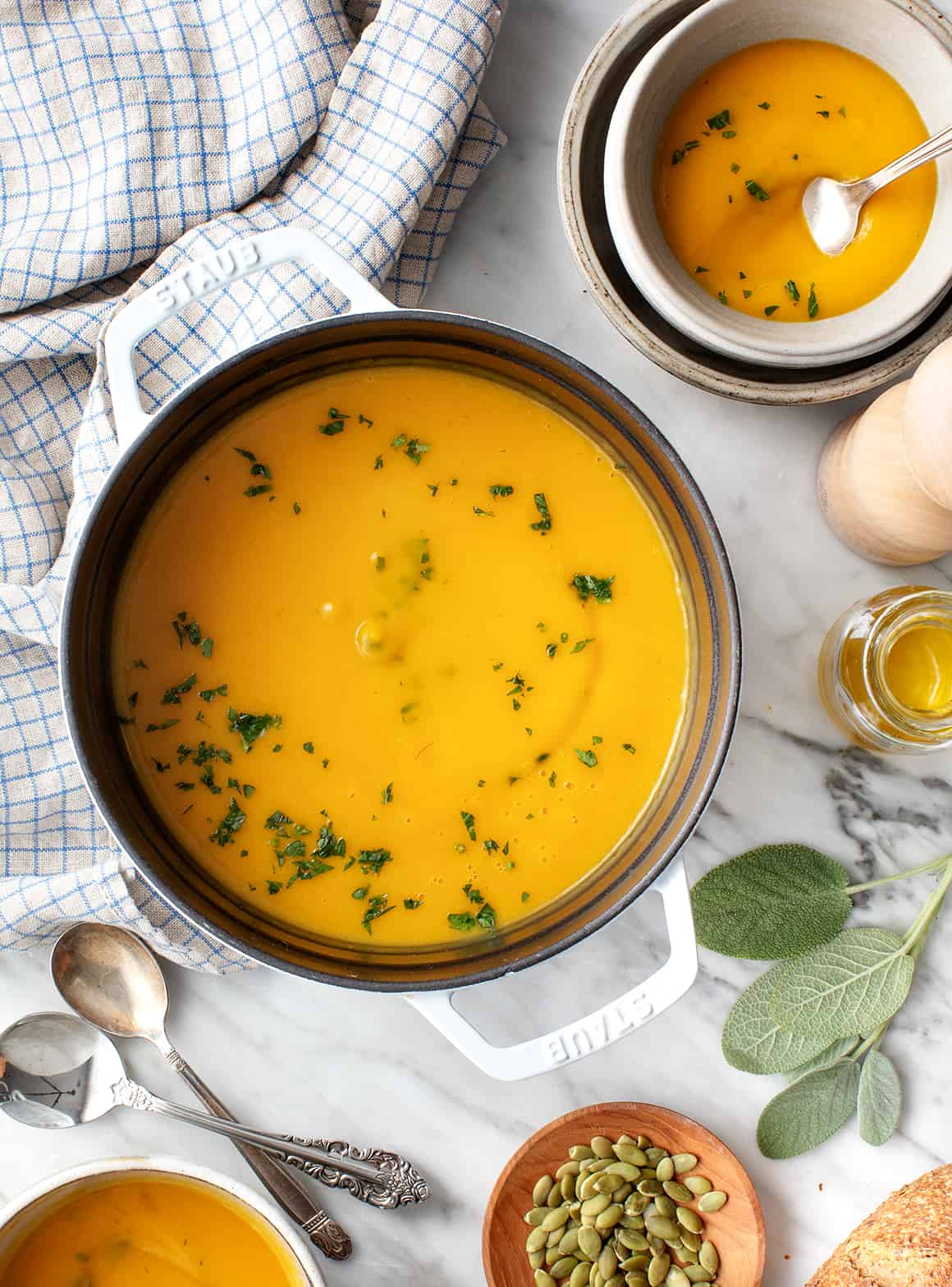
Allow the soup to simmer for a few more minutes after seasoning adjustments. This final simmer helps integrate all flavors and ensures the soup is evenly heated. Once done, turn off the heat and let the soup rest briefly before serving.
Resting allows the flavors to settle and often results in a more balanced taste. This simple step is often overlooked but can make a noticeable difference in the quality of the finished dish.
Serving Suggestions
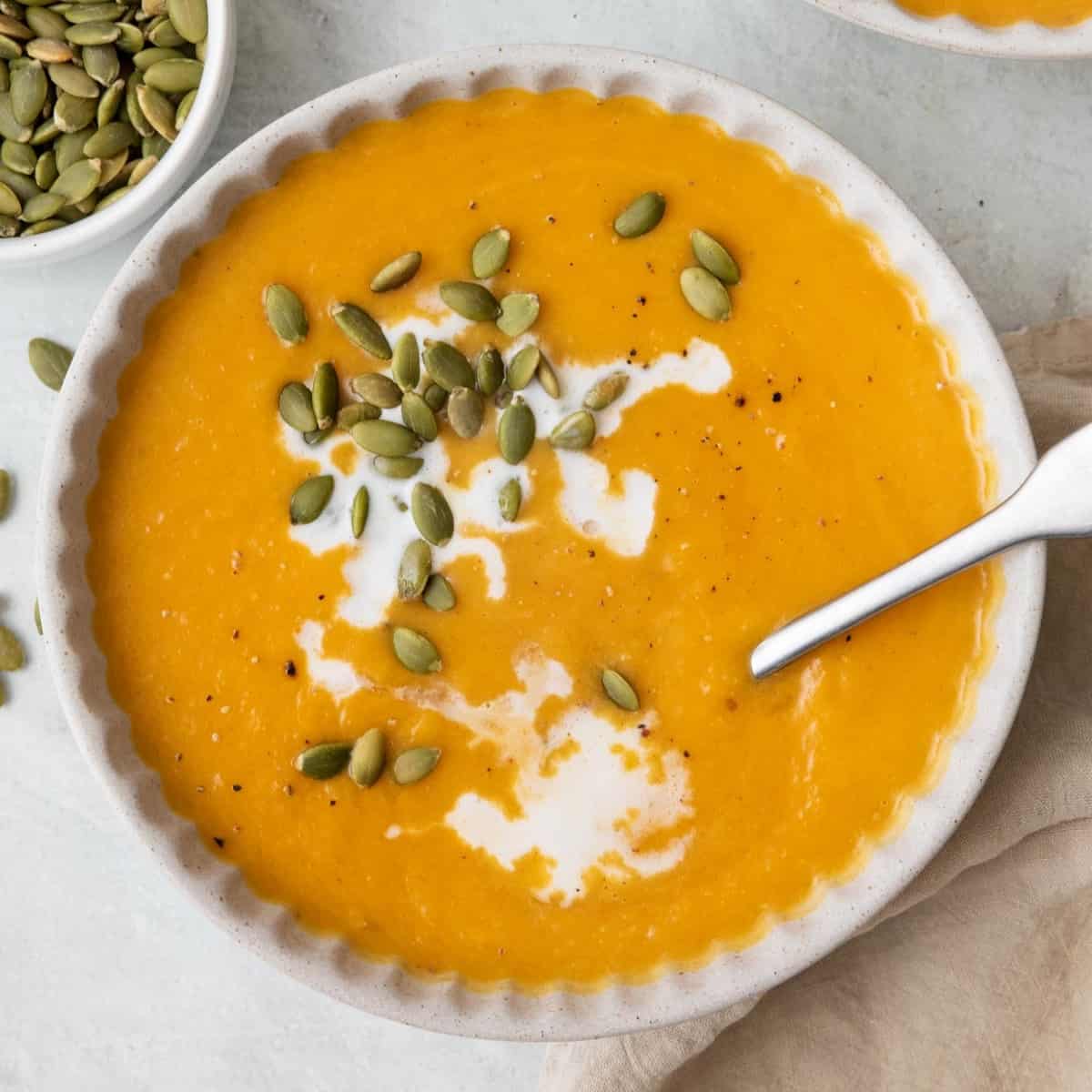
Butternut squash soup can be served in many ways, depending on the occasion. For a simple presentation, ladle it into warm bowls and garnish with fresh herbs. A drizzle of olive oil or cream adds visual appeal and richness.
For a more substantial meal, serve the soup alongside crusty bread or a light salad. Toppings such as roasted seeds, croutons, or sautéed mushrooms can add texture and contrast, making each spoonful more interesting.
Variations and Flavor Enhancements
One of the strengths of butternut squash soup is its adaptability. You can create a spiced version by adding curry powder or cumin, giving the soup a bold and aromatic character. For a smoky twist, roasted squash can be used instead of sautéed squash.
Those seeking a vegan option can rely entirely on vegetable stock and plant-based cream. For a richer, indulgent version, heavy cream or coconut milk can be incorporated. Each variation highlights different aspects of the squash while maintaining the essence of the dish.
Storage and Reheating Tips
This soup stores exceptionally well, making it ideal for meal preparation. Allow it to cool completely before transferring it to airtight containers. It can be refrigerated for several days without losing flavor or texture.
When reheating, warm the soup gently over low heat, stirring occasionally. Avoid boiling, as this can alter the texture and dull the flavor. Adding a small amount of stock or water during reheating helps maintain its creamy consistency.
Nutritional Benefits
Beyond its comforting taste, butternut squash soup offers numerous health benefits. It is naturally low in calories while being rich in essential nutrients. The high vitamin A content supports eye health, while fiber aids digestion and promotes fullness.
When prepared with minimal cream and wholesome ingredients, this soup becomes a nourishing option suitable for regular consumption. Its balance of carbohydrates, vitamins, and minerals makes it both satisfying and health-conscious.

Common Mistakes to Avoid
One common mistake is over-seasoning early in the cooking process. Because the soup reduces slightly as it simmers, it is best to adjust seasoning gradually. Another issue is undercooking the squash, which can result in a grainy texture even after blending.
Using too much liquid is also a frequent error. Adding liquid slowly allows you to control the thickness and achieve a luxurious texture that defines a well-made soup.
Why This Soup Remains a Classic
The lasting appeal of butternut squash soup lies in its simplicity and versatility. It transforms a basic vegetable into a dish that feels elegant and comforting at the same time. Its ability to adapt to seasons, dietary needs, and personal preferences ensures that it remains relevant year after year.
Whether prepared for a family meal or a special occasion, this soup consistently delivers warmth and satisfaction. Its rich flavor and smooth texture make it a favorite among both experienced cooks and beginners.
Conclusion
Mastering butternut squash soup is about understanding ingredients, respecting the cooking process, and paying attention to small details. From selecting the perfect squash to blending the final mixture, each step contributes to a dish that is both flavorful and nourishing. By following this step-by-step guide, you can confidently create a soup that showcases the natural beauty of butternut squash while allowing room for creativity and personal taste.
With practice and thoughtful preparation, this soup can become a signature recipe in your kitchen, offering comfort, nutrition, and timeless appeal in every bowl.
Read More:- Healthiest Fast Food: Making Smart Choices in a Fast-Paced World