

Intrdouction
Fast food has long been associated with greasy burgers, oversized portions, and empty calories, but the modern fast-food landscape has changed significantly. Today, many popular chains offer balanced meals, fresh ingredients, and customizable options that can fit into a healthy lifestyle. Understanding what’s the healthiest fast food is no longer about avoiding fast food entirely, but about making informed choices that align with your nutritional needs while still enjoying convenience.
In a fast-paced world where time is limited, fast food often becomes a necessity rather than a choice. The key is knowing how to navigate menus wisely. From grilled proteins and whole grains to vegetable-rich bowls and lighter breakfast options, healthier fast food is more accessible than ever. This article explores what’s the healthiest fast food, why some options are better than others, and how you can consistently make smarter decisions without sacrificing taste or satisfaction.
Understanding What Makes Fast Food Healthy
To truly grasp what’s the healthiest fast food, it’s important to understand what “healthy” means in this context. Healthy fast food is not about perfection but balance. A healthier meal generally contains lean protein, complex carbohydrates, healthy fats, fiber, and minimal added sugar or sodium. Portion size also plays a major role, as even nutritious foods can become unhealthy when consumed in excess.
Fast food becomes healthier when it prioritizes real ingredients over ultra-processed ones. Grilled or baked proteins are preferable to fried items, whole grains are better than refined flours, and meals that include vegetables add fiber and micronutrients. Many chains now allow customization, which means you can reduce sauces, swap sides, and add vegetables, giving you more control over your meal.

The Evolution of Healthy Fast Food Options
The fast-food industry has adapted to changing consumer preferences. People today are more health-conscious, leading chains to rethink their menus. This shift has made it easier to answer the question of what’s the healthiest fast food without feeling restricted or unsatisfied.
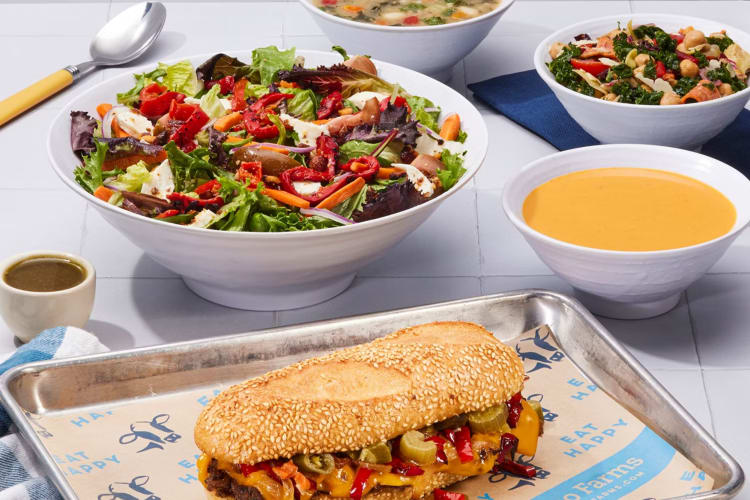
Salad bowls with lean protein, whole-grain wraps, plant-based options, and low-calorie breakfast items are now widely available. Even traditional fast-food chains have introduced grilled alternatives, smaller portion sizes, and transparency in nutritional information. This evolution means that eating fast food no longer automatically equals unhealthy eating.
Lean Proteins: The Foundation of Healthy Fast Food
Protein is essential for muscle repair, satiety, and overall health. When evaluating what’s the healthiest fast food, meals that include lean protein are a strong starting point. Grilled chicken, turkey, fish, beans, and plant-based proteins are far better choices than breaded or deep-fried meats.
Lean protein helps keep you full longer, reducing the temptation to overeat later in the day. It also supports stable blood sugar levels, which is especially important for those managing weight or metabolic health. Choosing meals centered around grilled or roasted protein can significantly improve the nutritional quality of your fast-food experience.
Whole Grains and Fiber-Rich Choices
Another key factor in determining what’s the healthiest fast food is the type of carbohydrates used. Whole grains such as brown rice, whole-wheat bread, and oats provide fiber, which supports digestion and helps regulate appetite. Fiber-rich foods slow down the absorption of sugar into the bloodstream, preventing energy crashes.
Many fast-food restaurants now offer whole-grain buns, wraps, or grain bowls. Choosing these options over refined white bread or fries adds nutritional value and makes the meal more filling. Fiber also contributes to heart health, making whole-grain fast food choices a smart long-term investment in your wellbeing.

Vegetables: The Most Underrated Fast Food Upgrade
Vegetables are often overlooked in fast food, yet they are essential for answering what’s the healthiest fast food accurately. Adding vegetables increases vitamin, mineral, and antioxidant intake without significantly increasing calories. Leafy greens, tomatoes, peppers, onions, and legumes enhance both flavor and nutrition.
Many chains allow you to add extra vegetables to sandwiches, bowls, or salads at no extra cost. Doing so can transform a basic fast-food meal into a nutrient-dense option. Vegetables also add volume, helping you feel satisfied while consuming fewer calories overall.
Healthy Fats and Smart Add-Ons
Not all fats are unhealthy. When exploring what’s the healthiest fast food, it’s important to recognize the role of healthy fats such as those found in nuts, seeds, avocados, and olive oil-based dressings. These fats support brain function, hormone balance, and nutrient absorption.
The key is moderation. While healthy fats are beneficial, they are calorie-dense. Choosing small amounts of healthy fats instead of processed sauces or creamy dressings can improve the nutritional profile of your meal without overloading it with calories.
Breakfast Fast Food: Starting the Day Right
Breakfast is often the most challenging meal to eat healthily on the go. However, understanding what’s the healthiest fast food at breakfast time can set a positive tone for the rest of the day. Options like oatmeal, egg-based sandwiches on whole-grain bread, and yogurt with fruit are far better than sugary pastries or oversized fried items.
A balanced breakfast should include protein, fiber, and healthy fats. Many fast-food breakfast menus now include egg white options, fresh fruit sides, and lower-sugar beverages, making it easier to start your day with nourishment rather than empty calories.
Portion Control and Mindful Eating
Portion size plays a major role in determining what’s the healthiest fast food. Even nutritious meals can become unhealthy if portions are excessive. Many fast-food meals are designed to be larger than necessary, encouraging overconsumption.
Choosing smaller portion sizes, skipping upsizing, and paying attention to hunger cues can make a significant difference. Eating mindfully, even in a fast-food setting, helps you enjoy your meal while avoiding unnecessary calories. This approach allows fast food to fit into a healthy lifestyle without guilt.

Sodium and Sugar: Hidden Health Concerns
When evaluating what’s the healthiest fast food, sodium and added sugar are two critical factors often overlooked. High sodium intake can contribute to high blood pressure, while excessive sugar increases the risk of weight gain and metabolic issues.
Many fast-food items contain more sodium than recommended for an entire day. Opting for simpler menu items, avoiding heavy sauces, and choosing water or unsweetened beverages can help reduce excessive intake. Awareness is key to making healthier choices consistently.
Plant-Based and Vegetarian Fast Food Options
Plant-based fast food has gained popularity, offering another perspective on what’s the healthiest fast food. Meals centered around beans, lentils, vegetables, and whole grains are often high in fiber and lower in saturated fat. These options can support heart health and digestion.
However, not all plant-based fast food is automatically healthy. Some meat alternatives are highly processed and high in sodium. Choosing minimally processed plant-based meals with recognizable ingredients is the best approach.
Customization: Your Greatest Advantage
One of the most effective ways to determine what’s the healthiest fast food is through customization. Many fast-food chains allow you to modify meals by removing sauces, choosing grilled instead of fried proteins, and adding vegetables.
Customization empowers you to align fast food with your personal health goals. Whether you’re focusing on weight management, muscle building, or general wellness, small adjustments can make a big difference in the nutritional quality of your meal.
The Role of Beverages in Healthy Fast Food
Beverages are often the biggest source of hidden calories in fast food. When thinking about what’s the healthiest fast food, drinks should not be ignored. Sugary sodas, shakes, and sweetened teas can quickly turn a balanced meal into an unhealthy one.
Water, unsweetened tea, or black coffee are the best beverage choices. These options hydrate without adding unnecessary calories or sugar, helping maintain overall dietary balance.
Eating Fast Food Without Compromising Health
Understanding what’s the healthiest fast food is about making intentional choices rather than avoiding fast food entirely. With the right approach, fast food can be part of a balanced diet. The goal is consistency, not perfection.
By focusing on lean protein, whole grains, vegetables, and mindful portions, you can enjoy the convenience of fast food while supporting your health. Knowledge and awareness transform fast food from a dietary obstacle into a manageable option.
Conclusion: Redefining Fast Food Choices
So, what’s the healthiest fast food? The answer depends on how you choose, customize, and consume it. Healthy fast food prioritizes real ingredients, balanced nutrients, and reasonable portions. It avoids excessive sugar, sodium, and unhealthy fats while emphasizing protein, fiber, and vegetables.
As fast-food menus continue to evolve, the power lies in your hands to make better decisions. With a mindful approach, fast food can complement a healthy lifestyle rather than detract from it. By understanding your options and making small, smart choices, you can enjoy fast food without compromising your long-term wellbeing.
Read More:- Miso Soup Explained: History, Nutrition, Ingredients, and Steps