

Introduction
People all across the world love Japanese food because it is balanced, simple, and deeply rooted in tradition. Miso soup is one of the most comfortable things on the menu. It is a warm, savory dish that has been a part of Japanese living for hundreds of years. It is often served as an appetizer or with rice and major dishes, and it fits with the idea of balancing flavors and nutrients. This article goes into great detail on this cuisine, starting with its historical roots and moving on to its ingredients, how to make it, variants, and health advantages. By the end, readers will fully grasp why this dish is still loved around the world.
Cultural and historical roots
This soup has been around for more than a thousand years, and it is intimately related to the introduction of fermented soybean paste in Japan. Miso was based on older Chinese fermenting methods, but over time it became a Japanese food. In traditional homes, making miso soup was an important cooking skill that was passed down from one generation to the next. It became a symbol of home cooking and comfort, and the choice of miso paste and extra ingredients typically showed regional interests. Even now, a lot of Japanese people think of its smell when they think of family meals and everyday food.
Learning about Miso Paste
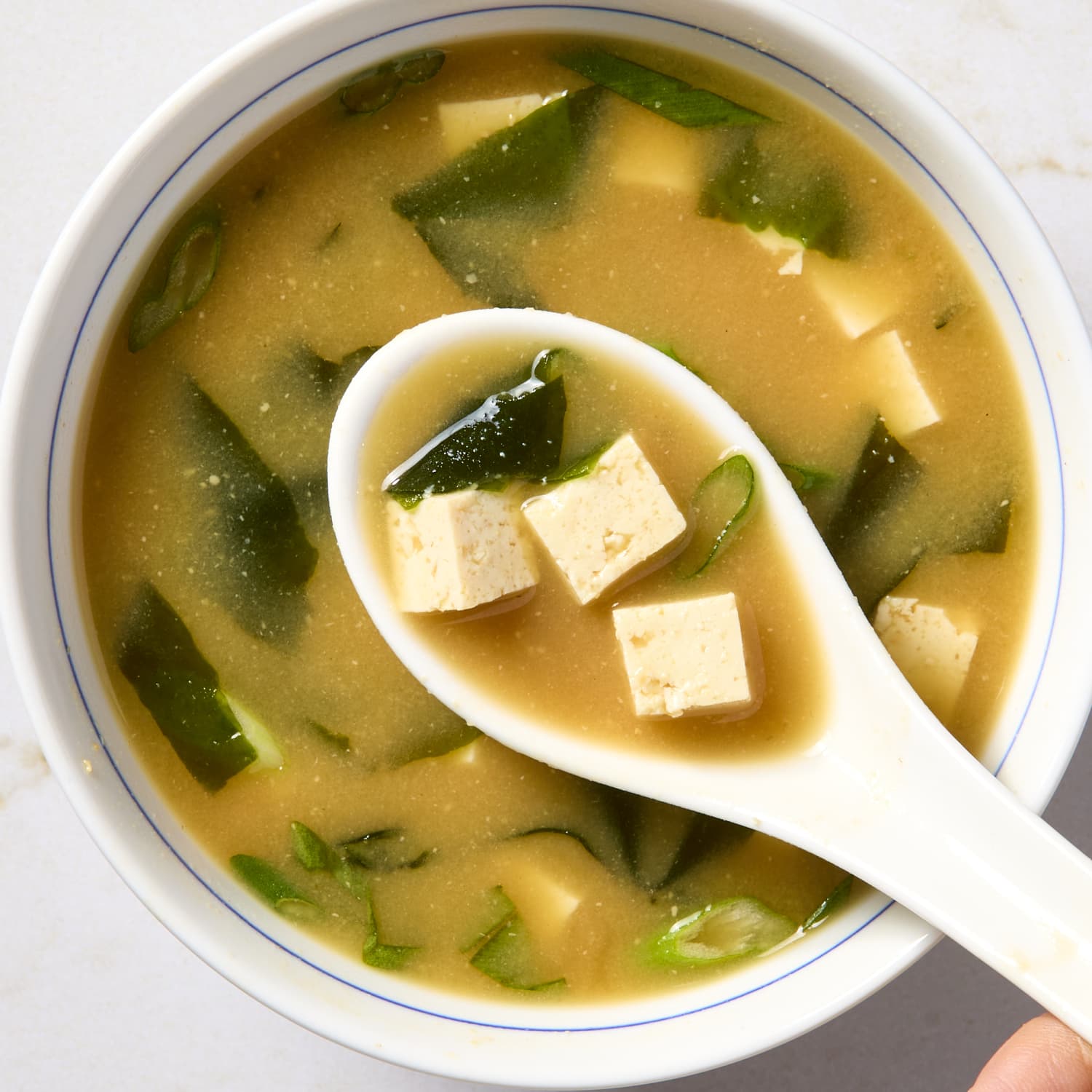
Miso paste, which is made by fermenting soybeans with salt and koji, a culture made from rice or barley, is the main ingredient in the meal. The fermentation process can take anywhere from a few months to a few years and makes a paste that tastes quite umami. There are many kinds of miso, such as white, yellow, and red. Each has a particular level of sweetness and strength. The type of miso used in miso soup influences its final flavor, so it can be made to fit your tastes and the season. Red miso has a stronger, deeper flavor, while white miso has a gentler, sweeter flavor.
What Are the Most Important Ingredients?
Even while recipes differ, most classic ones have a few key ingredients. The basis is dashi, a light stock produced from kombu seaweed and bonito flakes. After that, the heated soup is mixed with the miso paste, and then simple things like tofu cubes, sliced green onions, or wakame seaweed are added. The beauty of miso soup is in its simplicity, where each ingredient has a definite job and doesn’t get in the way of the others. It’s important to have the right amount of broth and paste so that the flavor is smooth and delicious instead of too salty.
Step One: Getting the Dashi Ready
The first thing you need to do to make this dish is to make the broth. Kombu is soaked and boiled in water, then taken out before boiling to keep it from getting bitter. Add bonito flakes for a short time and then sift them off. This leaves a clear, fragrant stock. This painstaking technique lays the fragile groundwork for miso soup. There are modern shortcuts, such quick dashi powder, but traditional ways give food a cleaner and more complex flavor.
Step Two: Heating and adding spices
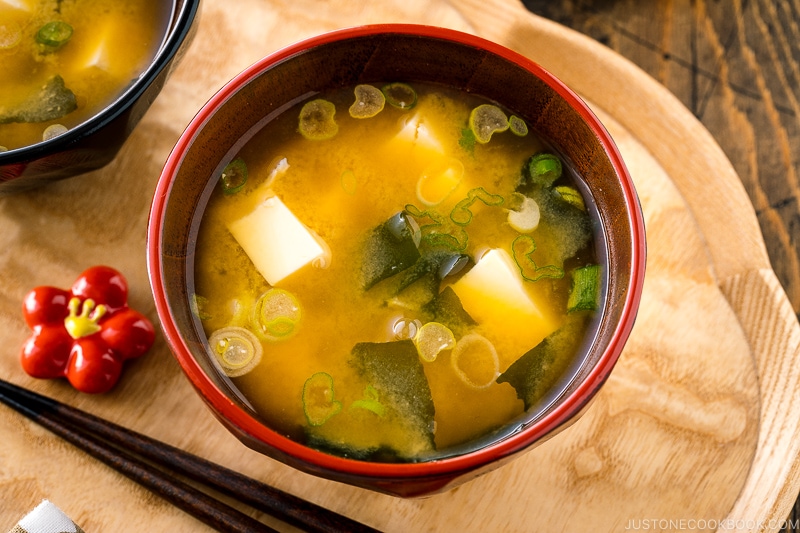
The dashi is then gently heated again. The most important thing to remember is not to boil the soup after adding the miso paste, because too much heat can make it taste bad and lose its health benefits. A little bit of hot broth is mixed with the paste in a separate bowl to make a smooth consistency. This is then stirred back into the pot. This method keeps miso soup from being clumpy or having strong flavors, which is what makes it so special.
Step Three: Putting in the Ingredients
After the base is done, further ingredients are added for a short while to warm them up. Soft tofu, thinly sliced green onions, mushrooms, or veggies that are in season are typical selections. Each addition should contribute to the broth rather than take it over. This stage shows how flexible miso soup is, since chefs can change it to fit their nutritional demands, the fruit they have on hand, or their own taste while still keeping its basic flavor.
Nutritional Value and Health Benefits
This recipe is not only tasty, but it is also good for you. Miso that has been fermented has bacteria that help with digestion, while tofu offers protein from plants. Seaweed has minerals like calcium and iodine in it. The soup can be part of a healthy diet if you don’t eat too much of it. It warms you up and gives you energy without making you feel heavy. Because it has simple components, it fills you up and is easy on the stomach. This is why it is often used in traditional dinners.
Different Styles from Different Places
Regional differences in Japan are based on the ingredients and tastes of each area. Seafood may be found in coastal places, while root vegetables are more common in mountain areas. In today’s kitchens, chefs try with new ideas by adding things like corn, spinach, or even dairy to make fusion styles. Even with these new ideas, the basic idea of miso soup is the same: a balanced mix of umami, warmth, and simplicity that changes without losing its uniqueness.
Serving and Enjoying the Food
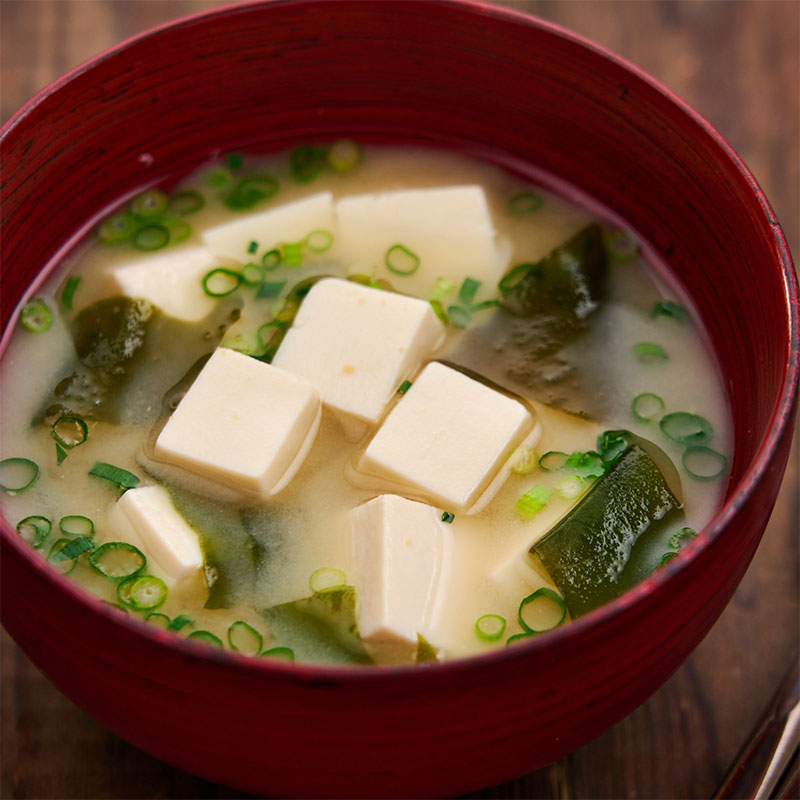
The soup is usually served hot in small bowls, and people drink it instead of eating it with a spoon. It usually comes with rice, pickles, and a main dish, which makes the meal more balanced. Slowly enjoying it lets the flavors come out, which makes it more comforting and nourishing. It makes you more aware of what you’re eating and appreciate simple ingredients, whether it’s for breakfast or dinner.
How to Get Perfect Results at Home
Use fresh miso paste and keep it in the right place to keep its flavor. Because different brands have different amounts of salt, change the amount slowly while tasting. Keep in mind that heat should be mild and things should be simple. Anyone may make a real experience that respects heritage and fits with current living by following these rules.
Conclusion
This step-by-step look at a simple dish illustrates how it may have significant cultural importance, be good for you, and be elegant in the kitchen. The soup is a symbol of balance and attention in cooking because it comes from fermented foods and may be made in many ways. Readers can not only learn how to make it, but also why it has been a symbol of comfort and tradition for hundreds of years by learning about its ingredients, processes, and variants.
Read More:- Potato Soup Recipe: Step-by-Step Guide to Creamy Homemade Soup