
Morocco is a country where food, history, and traditions come together to create unforgettable experiences. From the colorful markets of Marrakech to the historic streets of Fes, every destination offers visitors an opportunity to discover something special about Moroccan life. One of the best ways to understand the country’s identity is through its food, which reflects centuries of cultural influences and traditional cooking methods.
Moroccan Cuisine and Culture are closely connected. Meals are not simply about eating; they are also about family, hospitality, celebrations, and sharing special moments with others. For travelers, exploring Moroccan food provides a deeper understanding of the country’s traditions and way of life.
The Cultural Influences Behind Moroccan Cuisine
Moroccan cuisine has developed through centuries of cultural exchange. Berber, Arab, Andalusian, Mediterranean, and African traditions have all influenced the country’s cooking styles and ingredients.
These influences can be seen in the wide variety of dishes prepared throughout Morocco. Local cooks combine fresh vegetables, meat, seafood, herbs, and aromatic spices to create meals with distinctive flavors.
Common spices include cumin, ginger, turmeric, cinnamon, paprika, and saffron. Preserved lemons, olives, almonds, dates, and fresh mint are also important ingredients in many traditional recipes.
Although cooking styles differ between regions, hospitality remains an important part of Moroccan food culture.
Traditional Moroccan Dishes Worth Discovering
Morocco offers many traditional dishes that allow visitors to experience its culinary heritage.
Moroccan Tagine
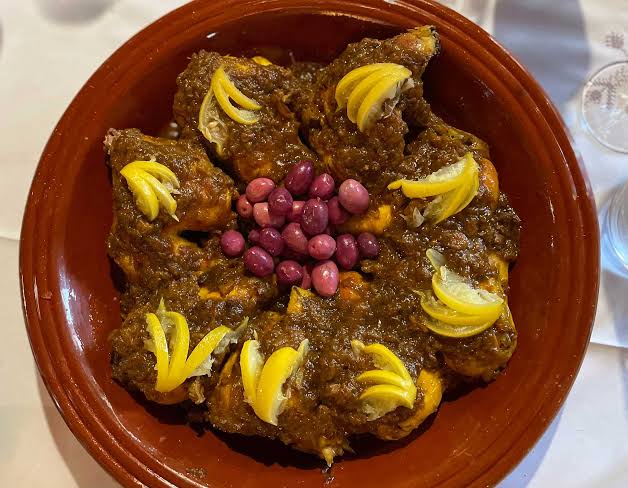
Tagine is one of Morocco’s most famous meals. It is traditionally cooked slowly in a special clay pot, allowing the ingredients to develop rich flavors.
Popular varieties include chicken with preserved lemons and olives, lamb with prunes, and vegetable tagine. Each region and family may have its own way of preparing this classic dish.
Couscous
Couscous is an important part of Moroccan family traditions. It is commonly served with steamed semolina grains, vegetables, and meat, accompanied by a flavorful broth.
Many families traditionally prepare couscous on Fridays, making it a meaningful part of weekly gatherings and shared meals.
Harira Soup
Harira is a traditional soup made with tomatoes, lentils, chickpeas, herbs, and spices. Some recipes also include meat.
It is especially popular during Ramadan, when families enjoy it to break their daily fast. Its comforting flavor makes it a favorite throughout the country.
Pastilla
Pastilla is a special Moroccan pastry that combines sweet and savory ingredients. It is often prepared with chicken or pigeon, almonds, cinnamon, and delicate pastry layers.
This dish is frequently served during weddings, celebrations, and important family occasions.
Moroccan Mint Tea and the Tradition of Hospitality
Moroccan mint tea is much more than a popular drink. It represents friendship, generosity, and welcoming guests.
Usually prepared with green tea, fresh mint leaves, and sugar, it is traditionally served in small glasses. The tea is often poured from a height to create a light layer of foam.
Visitors may be offered mint tea when entering a home, visiting a shop, or meeting local people. Accepting this invitation can be a wonderful way to experience Moroccan hospitality.
Food Markets and Street Food Experiences
Traditional markets, known as souks, are among the best places to discover Morocco’s everyday food culture. These lively markets are filled with colorful spices, fresh produce, olives, dried fruits, bread, and local specialties.
Marrakech’s Jemaa el-Fnaa square is particularly famous for its food stalls and lively atmosphere. Visitors can enjoy grilled meats, traditional soups, fresh juices, and local snacks.
Other popular street foods include msemen, a layered flatbread, and sfenj, a traditional Moroccan doughnut. Exploring these local specialties allows travelers to experience authentic flavors while discovering the daily rhythm of Moroccan cities.
Regional Food Traditions Across Morocco
Moroccan cuisine changes from one region to another, making food exploration an exciting part of traveling around the country.
In Marrakech, visitors can enjoy traditional tagines and popular street food. Fes is known for its historic culinary traditions and distinctive dishes. Coastal cities such as Essaouira offer fresh seafood, while northern Morocco features culinary influences connected to Mediterranean and Andalusian traditions.
The Atlas Mountains and rural villages also offer opportunities to discover homemade bread, local olive oil, seasonal vegetables, and traditional family recipes.
Moroccan Celebrations and Food Traditions
Food plays an important role in Moroccan celebrations and social gatherings. Weddings, religious festivals, family occasions, and Ramadan often include special meals prepared with care.
Large shared dishes encourage families and guests to eat together. In many traditional settings, people gather around a communal plate, reflecting the importance of togetherness and hospitality.
These customs help preserve Moroccan culinary traditions and pass recipes from one generation to the next.
Experience Morocco Through Its Food and Culture
Exploring Morocco becomes more meaningful when travelers take time to discover its local food and traditions. Visitors can join cooking classes, explore traditional markets, enjoy meals in family-run restaurants, and learn about regional ingredients.
From tasting couscous in a local home to enjoying mint tea in a traditional café, every experience offers a chance to connect with Moroccan culture.
Moroccan Cuisine and Culture provide a fascinating introduction to the country’s history, hospitality, and diverse traditions. Whether you are visiting Morocco for its historic cities, beautiful landscapes, or exciting adventures, discovering its food will make your journey even more memorable.