

Introduction
Chicken noodle soup is more than simply food; it’s a feeling that goes along with warmth, caring, and nourishment. This simple bowl of soup has become a mainstay in homes all around the world and through the years. It is commonly offered when someone is sick, when it’s chilly outside, or when they need comfort the most. One of the most popular dishes in the world, it is liked by everyone since it is simple, versatile, and full of taste. This article goes over everything you need to know about chicken noodle soup, including where it came from, how healthy it is, how to make it step by step, and some fun ways to change it up.
Step 1: Learning where chicken noodle soup came from
Chicken noodle soup has been around for thousands of years. It comes from ancient cooking techniques when broth was used for both food and treatment. People in ancient times found that boiling bones, meat, and vegetables made a healthy liquid that was easy to digest and very filling. Different cultures introduced noodles over time. For example, Asia added hand-pulled wheat noodles while Europe added egg noodles. As people moved around further, the dish changed into several different variants, each one using different ingredients and tastes. Even with these changes, the primary idea stayed the same: a simple, substantial soup made with chicken, noodles, and fragrant veggies.
Step 2: What makes chicken noodle soup a comfort food
Chicken noodle soup is a great comfort dish since it tastes good and makes you feel good. The warm broth calms the body, and the familiar flavors remind you of home and care. A lot of people think of it as a way to get better after being sick because it is easy to digest and keeps you hydrated. Research has also shown that warm soups may help reduce nasal swelling and make cold symptoms go away for a short time. Chicken noodle soup has stayed popular over the years because it makes people feel good emotionally and physically.
Step 3: The health benefits of chicken noodle soup
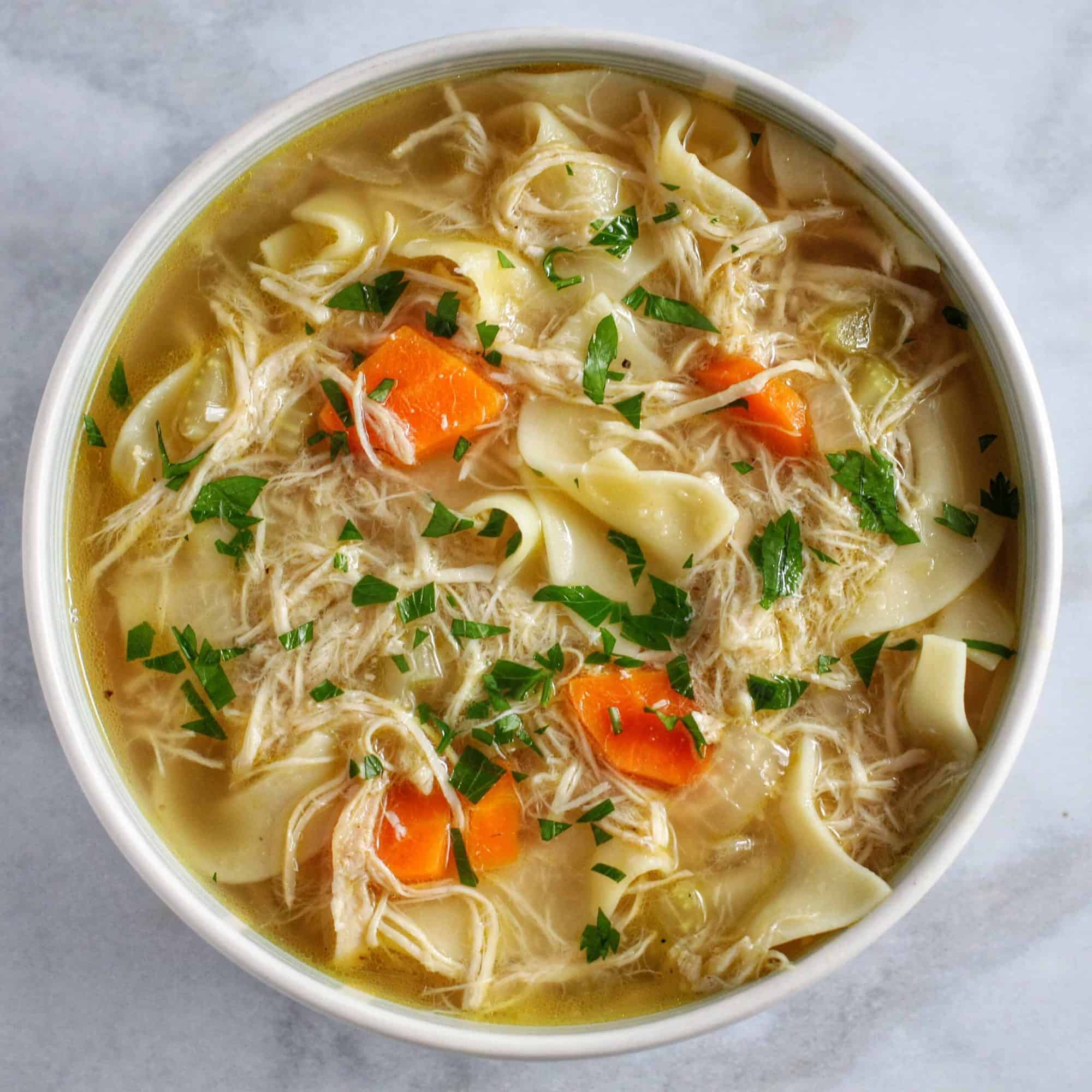
Chicken noodle soup is still a popular dish because it has a balanced nutritional profile. The broth gives you minerals and water, especially when you make it using bones. Chicken is a good source of protein that is important for repairing muscles and keeping the immune system healthy. Carrots, celery, and onions are good sources of vitamins, antioxidants, and fiber. Noodles are a good source of carbs that provide you energy. Chicken noodle soup may be both filling and healthy if you make it using fresh ingredients and a little salt.
Step 4: An explanation of the important ingredients
To make a tasty soup, you need to know what each ingredient does. The dish’s base is chicken, which can be whole, with bones, or without bones. The taste gets deeper as you cook it. Bones make the soup richer and thicker, while lean meat makes it softer. The noodles are the soup’s heart, providing it body and taste. Onions, garlic, carrots, and celery are some of the aromatic vegetables that make up the flavor base. Salt and pepper balance the taste, while herbs like bay leaf, thyme, or parsley make the food smell and taste better. The completed bowl is in harmony because each part works with the others.
Step 5: Getting the Ingredients Ready the Right Way
Preparation is a very important phase that can make or break the quality of the soup. To keep the chicken from getting greasy, you should clean it and cut off any extra fat. To make sure they cook evenly and have a nice texture, you need to chop the vegetables into pieces of the same size. You should choose your noodles carefully because various kinds cook at different speeds and change the thickness of the soup. Taking the time to carefully prepare the ingredients will make the cooking process go smoothly and give you a well-balanced finished dish.
:max_bytes(150000):strip_icc()/2678001_Suppe_0037-a7f30aac089947ab80f3f4ca8aa0a43c.jpg)
Step 6: Making a broth with a lot of flavor
The broth is what makes the soup. It starts by slowly cooking chicken with water and spices, which lets the aromas come out without making the broth murky or bitter. The soup stays clear and clean-tasting if you skim off the contaminants during the first simmer. Cooking low and slow helps break down collagen in bones, which makes the food richer and gives it a velvety mouthfeel. Here is where being patient pays off: a well-made broth makes chicken noodle soup go from good to great.
Step 7: Getting the Chicken Just Right
If you cook the chicken right, it will stay tender and tasty. If you cook the meat too long, it can get dry, and if you don’t cook it enough, it can be unsafe. Take the chicken out of the broth after it’s done cooking and let it sit for a few minutes before shredding or slicing it. This keeps the moisture in and helps the texture stay the same. The chicken is then put back in the soup at the correct time so that it can soak up the flavor without getting tough.
Step 8: Adding veggies to make the dish more balanced and give it more texture
You should add vegetables in stages, depending on how long they need to cook. Add the firmer veggies, such carrots and celery, first, and then the softer ones later. This procedure keeps the texture and stops mushiness. Vegetables also add natural sweetness and depth to the broth, which balances out the savory elements. When done right, they make things taste better and look better.
:max_bytes(150000):strip_icc()/EWL-Classic-Chicken-Soup-1x1-228_preview_maxWidth_4000_maxHeight_4000_ppi_300_quality_100-bfe44f3d25284eb198e1d7e3844da179.jpg)
Step 9: How to Cook the Noodles the Right Way
Noodles are usually the hardest part of the process. If you add them too soon, the strands may become overdone and mushy. If you add them too late, they may not be done. You can cook noodles right in the broth to give them taste, but you need to keep an eye on them. Some cooks like to cook the noodles separately and then add them right before serving, especially when they are preserving leftovers, to keep the texture. It all depends on what you like best.
Step 10: Adding spices and making final changes
Seasoning takes time and needs to be tasted and changed. Be careful while adding salt, especially if the soup gets thicker while simmering. Pepper adds warmth, and fresh herbs added at the end make the flavor brighter. A little lemon juice or vinegar can provide depth without making the meal too strong. This last stage puts everything together and lets you make it your own.
Step 11: Putting the chicken noodle soup on the table
Serving is more than just how it looks; it’s part of the whole experience. Chicken noodle soup tastes best when it’s hot, which brings out its smells and flavors. Adding fresh herbs as a garnish gives the dish more color and freshness. You can eat it by itself or with bread or crackers to make it more full. Proper serving shows how much care and work went into making the food.
Step 12: Common Variations Around the World
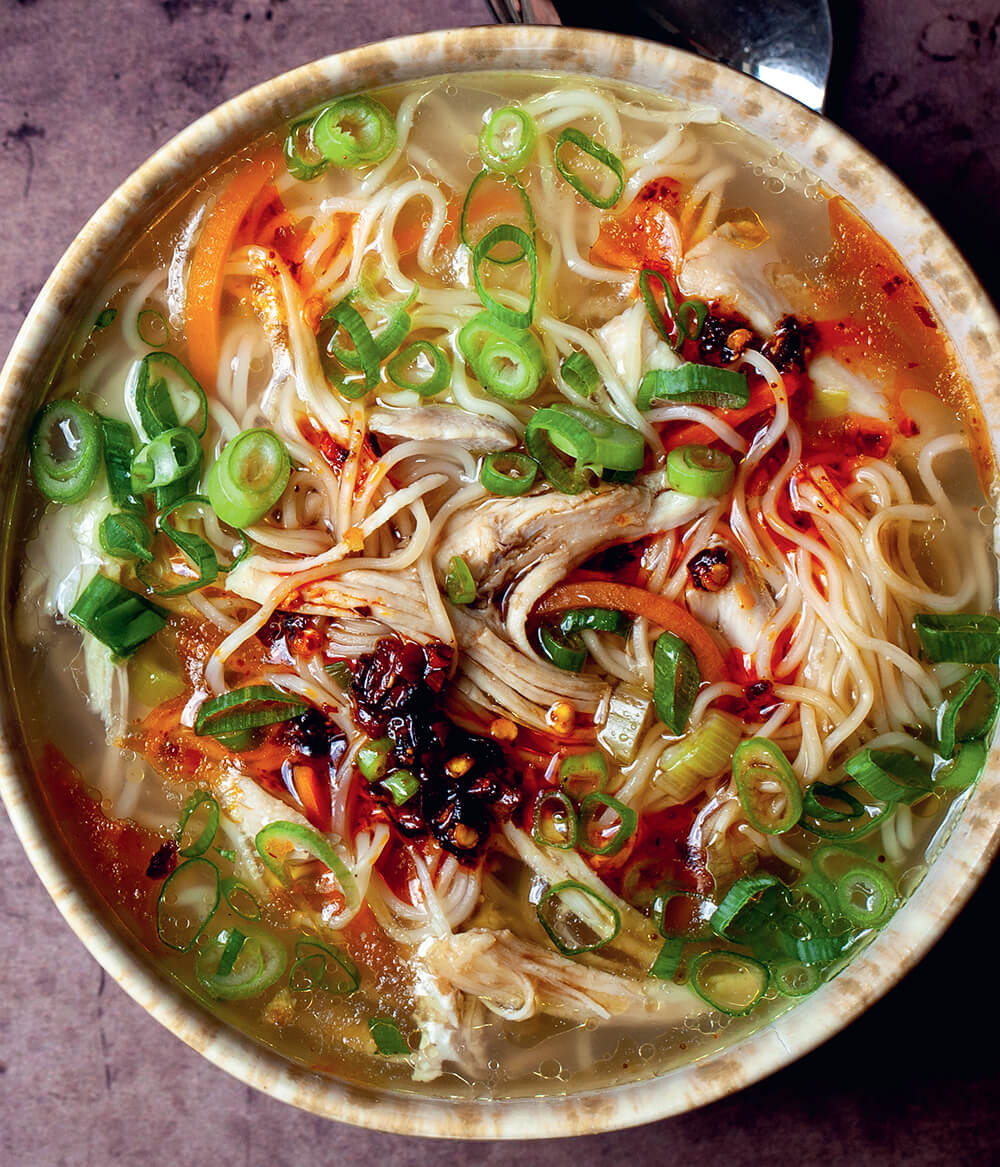
The classic version is still loved, but many civilizations have made their own versions. Some versions have ginger and soy for an Asian flavor, while others have cream for richness. Adding spices like chile or turmeric can make things warmer and more interesting. Gluten-free or low-carb versions of noodles use different types of noodles instead. These different versions show how chicken noodle soup may be made to fit varied tastes and nutritional concerns.
Step 13: Tips for storing and reheating
If you store soup correctly, it will stay good. It should cool down rapidly and be kept in the fridge in containers that are airtight. Gentle heat keeps the flavor and stops the food from separating when you reheat it. Adding a little water or broth when reheating can help restore the consistency of soup that has noodles in it. Leftovers stay safe and tasty when they are stored correctly.
Step 14: Why Chicken Noodle Soup Never Goes Out of Style
The fact that chicken noodle soup is simple and can be changed makes it so popular. You may make it with just a few components or make it better by using the right technique. It works for both normal meals and times of care and recovery. Its mix of taste, nutrition, and mental comfort makes sure that it will always be a favorite in kitchens around the world.
In conclusion
Chicken noodle soup shows how powerful basic ingredients can be when they are put together with care. It has been nourishing people for thousands of years, and it still doing so today. Anyone may make a version that feels personal and soothing if they know its history, health advantages, and how to make it step by step. This classic dish is still a reminder of warmth, caring, and home, whether you eat it alone on a cold night or with family and friends.
Read More:- Butternut Squash Soup Recipe: Step-by-Step Comfort Food Guide