

Introduction
If you cook at home, keep an eye on your groceries, or want to cut down on food waste without putting your health at risk, you need to know how long do eggs last in the fridge. Eggs are one of the most popular foods in the world because they are cheap, nutritious, and can be used in many different ways. Even though they are popular, there is still some misconception regarding how long they will last in the fridge. Some people only accept printed expiration dates, while others trust smell or look, which can be wrong at times.
Eggs are special because they have a natural protective layer that slows down the growth of bacteria, but this barrier gets less over time. Refrigeration is very important for keeping eggs fresh, stopping germs from growing, and making them last far longer than they would at room temperature. To really know how long do eggs last in the fridge, you need to learn about how eggs mature, what keeps them fresh, and how good storage may make a big impact.
This article fully explains how long eggs last, how to store them, how to tell if they are bad, and how to keep food safe. By the end, you’ll know exactly how long do eggs last in the fridge and how to utilize them safely and without losing flavor.
Why it’s Important to keep Eggs in the Fridge

Refrigeration prevents the growth of bacteria like Salmonella and keeps the shell from losing moisture. If you keep eggs chilled at a steady temperature, the inside of the egg stays constant for a longer time. The yolk stays hard, the whites stay thick, and the taste changes happen much more slowly.
To keep them safe, eggs are put in the fridge right after they are processed in many countries. Once you put eggs in the fridge, they should stay there all the time. Taking eggs out of the fridge often or putting them in warm places on the door can make them go bad faster.
To know how long do eggs last in the fridge, you first need to know that refrigeration is not only a good idea, it’s vital to keep eggs fresh over time.
Eggs in the Fridge Last about the same Amount of Time on Average
Most people don’t think that fresh eggs will stay as long as they do if they are stored correctly in the fridge. The dates on cartons can help, but they don’t always tell you when eggs are no longer safe to consume. Instead, they generally show the best times for quality.
If you store them correctly, you can safely eat an average chilled egg for up to two weeks after you buy it. The shell keeps things from getting in, and the cold slows down chemical changes inside. This is why you need to do more than just check a printed date to find out how long do eggs last in the fridge.
Table 1: How Long Eggs Last in the Fridge in General
| Egg Condition | Average Shelf Life in Fridge |
|---|---|
| Fresh raw eggs in shell | 3 to 5 weeks |
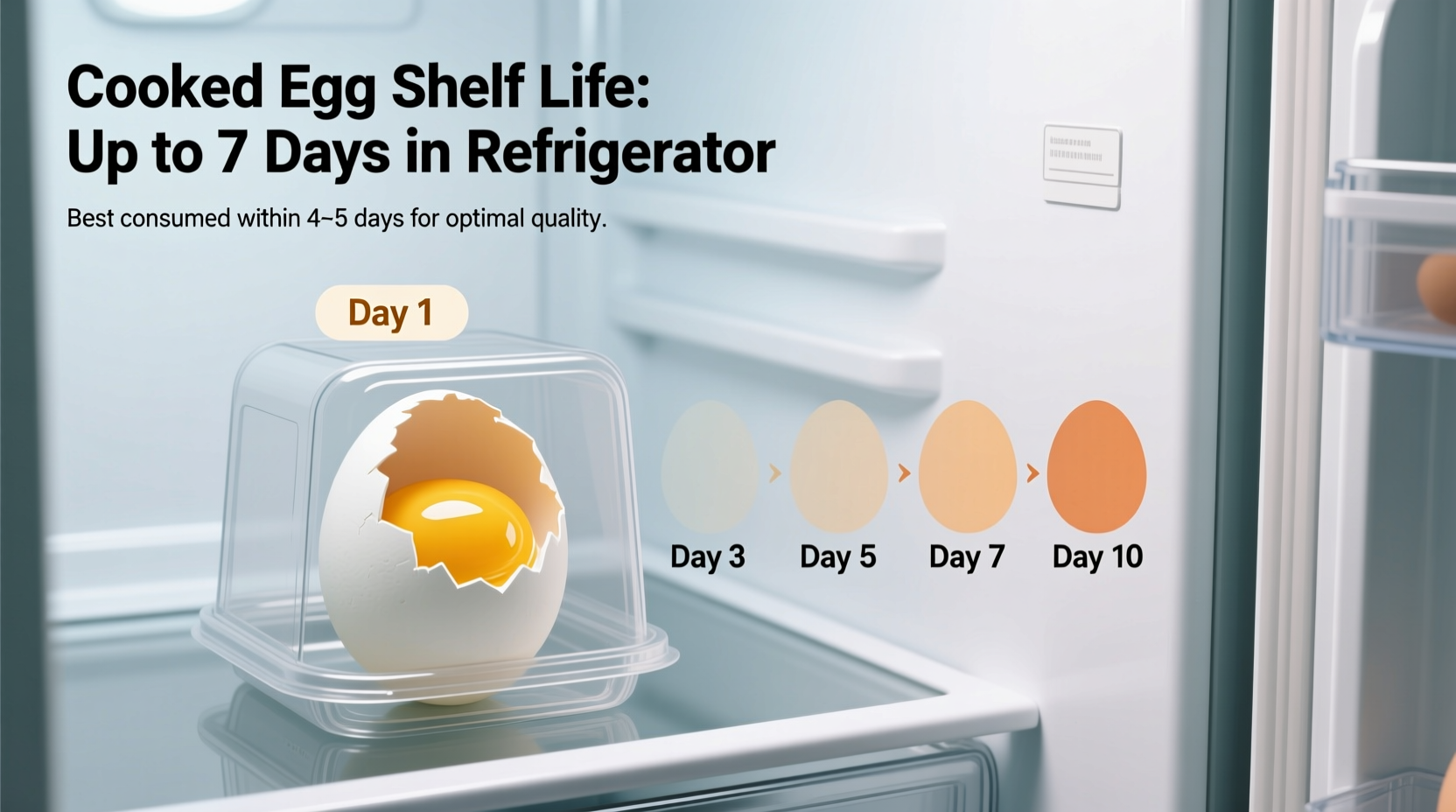
| Hard-boiled eggs | 1 week |
| Raw egg whites | 2 to 4 days |
| Raw egg yolks | 2 to 4 days |
| Liquid egg products | 2 to 7 days after opening |
These times are based on the idea that eggs are kept at a steady temperature below 40°F (4°C) and in their original packaging.
Knowing When things Expire and When they are Best By
A lot of people think that eggs are no longer safe to eat right after the date on the box. In fact, these dates are more commonly signs of quality than safety deadlines. When stored properly in the fridge, eggs can be good for a long time after the date on the package.
The best-by date tells you when eggs should be at their freshest. The eggs may not be spoiled after this date, but the quality may slowly go down. This misperception causes people to throw away things they don’t need and not know how long eggs last in the fridge.
Eggs lose their freshness slowly, and changes happen inside the egg before they are visible on the outside. The whites may get thinner and the yolk may flatten out a little, but these changes don’t mean the egg is bad right away.
How to Tell If Eggs Are Bad

It’s just as vital to know how to tell whether eggs are bad as it is to know how long do eggs last in the fridge. There are unmistakable symptoms that eggs have gone bad that you shouldn’t overlook.
The best sign that something has gone bad is a strong smell of sulfur or decay. You can tell right away that this fragrance suggests the egg should be thrown away. Changes in color or a sticky residue on the shell can also be signs that the food has gone bad.
The whites of the egg may look murky, or the yolk may look strange. Fresh eggs can naturally get a little cloudy, but if they are very cloudy and smell bad, they are bad.
Be careful with cracked eggs since bacteria can get in via the holes. Even when stored in the fridge, fractured eggs go bad faster than whole eggs.
The Float Test and What It Can’t Do
The float test is a simple way to check how fresh eggs are at home. In this experiment, an egg is put in a basin of water and watched. New eggs usually sink and lie flat, but older eggs may stand up or float.
As an egg becomes older, air gently gets inside through the shell. But just because the egg is floating doesn’t mean it’s bad. It just shows how old it is. If floating eggs don’t show any other signs of deterioration, they may still be safe.
If you only use the float test, you could come to the wrong conclusions. The smell and look of eggs are still better ways to tell how long they will last in the fridge.
How the Location of Storage affects How long Eggs Last
The shelf life of eggs is directly affected by where they are placed in the fridge. The door of the fridge lets in warm air every time it is opened, so the main compartment stays at a more stable temperature.
Egg cartons are made to keep eggs from taking in smells and moisture. Keeping eggs in their original carton helps keep them fresh and stops flavors from getting mixed up. Eggs that are stored loose or in open containers may not last as long.
The egg’s position in the carton is also important. Keeping eggs with the pointed end down helps maintain the yolk in the middle and slows down aging.
Table 2: Things That Affect How Long Eggs Stay Fresh in the Fridge
| Factor | Impact on Shelf Life |
|---|---|
| Consistent refrigeration | Extends freshness significantly |
| Original carton storage | Reduces moisture loss and odor absorption |
| Temperature fluctuations | Shortens egg lifespan |
| Cracked shells | Increases spoilage risk |
| Clean, dry shells | Improves overall longevity |
These reasons explain why two cartons of eggs bought on the same day may not last as long as they should.
Differences Between Eggs That Are Raw and Eggs That Are Cooked
Raw eggs in their shells stay fresh for a lot longer than cooked eggs. When an egg is cooked, the shell that protects it is broken, making it easier for bacteria to develop. This makes the shelf life much shorter.
If you put hard-boiled eggs in the fridge, you should eat them within a week. Because they are more exposed to air and bacteria, peeled eggs go bad sooner than unpeeled ones. Dishes made with eggs, such quiches or scrambled eggs, don’t last as long.
Knowing these distinctions makes it easier to figure out how long do eggs last in the fridge based on how they are prepared.
Egg Age and Cooking and Baking
:max_bytes(150000):strip_icc()/Simply-Recipes-Eggs-Room-Temp-LEAD-OPTION-01-de86b10719284e7faf93fb5b83cf4a76.jpg)
The age of eggs can affect how well they work in recipes, even when they are still healthy to eat. Because the whites are thicker and the yolks are firmer, fresh eggs are great for frying or poaching. When you crack older eggs, they may spread more and make things flatter.
Some recipes work better with slightly older eggs because the whites whisk up more easily. This illustrates that knowing how long do eggs last in the fridge is important for both safety and cooking.
The nutritional content of eggs does not automatically go down with age, but their texture and appearance may alter slowly with time.
Can you Freeze Eggs to Make them Last Longer
You can freeze eggs, but not in their shells. When you freeze eggs in their shells, they expand, which makes them shatter and get dirty. Instead, you should beat the eggs and put them in airtight containers before freezing them.
If you thaw frozen eggs correctly in the fridge, they can last for months and still be safe. Most homes don’t need to freeze anything, but it is an alternative for keeping things for longer than conventional refrigeration.
Freezing affects the texture a little, thus frozen eggs are better for baking or cooking than frying.
Things to Think about When it Comes to Food Safety
Proper handling and storage are very important for egg safety. It is not a good idea to wash eggs before storing them since it can lose the protective layer and let bacteria in. Instead, you should wash eggs just when you need to.
You should always wash your hands, surfaces, and utensils after handling uncooked eggs. This keeps food from getting contaminated and lowers the chance of getting sick from food.
Knowing how long eggs last in the fridge helps you avoid avoidable risks and get the most use out of them.
Things People Think They Know About Storing Eggs
A widespread fallacy is that brown eggs stay fresh longer than white eggs. The color of the shell does not effect how long the eggs will last. This is because the breed of the hen, not the quality or freshness, determines how long they will last.
Another myth is that you have to throw away eggs right after the date on the box. This isn’t always the case, as we said before. If you store eggs properly, they can stay safe for a long time after that date.
Understanding these fallacies reduces waste and confusion and helps people remember how long eggs last in the fridge.
In conclusion: What do You Think of Egg Shelf Life
When stored properly, eggs are one of the most reliable and long-lasting foods. Refrigeration greatly increases their shelf life, typically keeping eggs safe for weeks after they are bought. Households can use eggs without wasting them by knowing how to store them, how to tell when they are spoiled, and how to handle them appropriately.
There isn’t one set answer to the topic of how long do eggs last in the fridge. It varies on how they are stored, what kind of eggs they are, and how they are handled. Eggs are safe, healthy, and useful for a long time if you keep them in the fridge and take care of them properly.
You may make better choices in the kitchen, stay healthy, and waste less food by knowing how long eggs survive in the fridge. Eggs are one of the most important items in regular cooking.
Read More:- Healthiest Fast Food Options to Keep You Fit and Energized