

Introduction
Few dishes provide the same level of comfort and satisfaction as a warm bowl of homemade soup, and nothing embodies that comfort better than a classic potato soup. This humble yet hearty dish has been enjoyed across cultures for generations, prized for its simplicity, affordability, and rich, soothing flavor. A well-prepared potato soup balances creaminess with texture, subtle seasoning with depth, and warmth with nourishment. In this detailed guide, you will learn a complete potato soup recipe that walks you through every stage of preparation, cooking, and finishing, ensuring consistent results even if you are making it for the first time.
Potato soup is not just a meal; it is an experience that brings together basic ingredients and transforms them into something deeply satisfying. Whether served as a main course on a cold evening or as a starter for a larger meal, it adapts effortlessly to different occasions. The beauty of this soup lies in its flexibility—you can keep it simple or enhance it with herbs, vegetables, or proteins while still respecting the traditional base. By following the step-by-step method outlined below, you will gain a clear understanding of how each element contributes to the final dish and how to adjust it according to your preferences.
Understanding the Basics of Potato Soup
Before diving into the step-by-step process, it is important to understand what makes potato soup special. Potatoes contain natural starch, which thickens the soup as it cooks. This means you do not need excessive cream or flour to achieve a velvety texture. The cooking technique focuses on gently simmering the potatoes so they soften evenly, releasing their starch while maintaining flavor.
A good potato soup recipe depends on three key elements: the type of potato used, controlled heat, and careful seasoning. Starchy potatoes such as russet potatoes are ideal because they break down easily and create a creamy base. The soup should be cooked slowly to prevent scorching and to allow flavors to develop gradually. Seasoning must be layered—added in stages rather than all at once—to avoid overpowering the natural taste of the potatoes.
This foundational knowledge will help you not only follow the recipe but also understand why each step matters, giving you confidence in the kitchen.

Ingredients Needed for Potato Soup
One of the reasons potato soup is so popular is its minimal ingredient list. Each ingredient plays a specific role in flavor, texture, or aroma.
Potatoes form the heart of the soup. They provide body, thickness, and a mild flavor that absorbs seasoning beautifully. Onions add sweetness and depth when sautéed gently. Garlic enhances aroma without overwhelming the dish. Butter or oil provides richness, while milk or cream contributes smoothness. Vegetable or chicken stock acts as the liquid base, infusing the soup with savory notes. Salt and pepper bring balance, and optional herbs like thyme or bay leaf add subtle complexity.
This potato soup recipe focuses on everyday ingredients that are easy to find, making it accessible for home cooks of all skill levels.
Step 1: Preparing the Ingredients
The first step in any successful soup is proper preparation. Begin by washing and peeling the potatoes thoroughly. Once peeled, cut them into evenly sized cubes. Uniform sizing ensures that the potatoes cook at the same rate, preventing some pieces from becoming mushy while others remain firm.
Next, finely chop the onion and mince the garlic. Keeping these pieces small allows them to melt into the soup rather than stand out as separate elements. Measure out your stock and dairy components in advance so they are ready when needed. This organized approach reduces stress during cooking and helps maintain consistent timing.
Ingredient preparation might seem simple, but it sets the foundation for the entire dish. Taking time at this stage improves both flavor and texture in the final soup.
Step 2: Building the Flavor Base
Place a heavy-bottomed pot over medium heat and add butter or oil. Once heated, add the chopped onion and cook slowly until it becomes soft and translucent. This process releases natural sugars from the onion, creating a subtle sweetness that balances the earthiness of the potatoes.
Add the garlic and cook briefly, stirring constantly to prevent burning. Garlic should become fragrant but not browned. Browning garlic can introduce bitterness, which would detract from the smooth flavor profile of the soup.
This stage is crucial because it establishes the base flavor. A carefully built foundation ensures that the potato soup recipe tastes rich even before the potatoes are added.
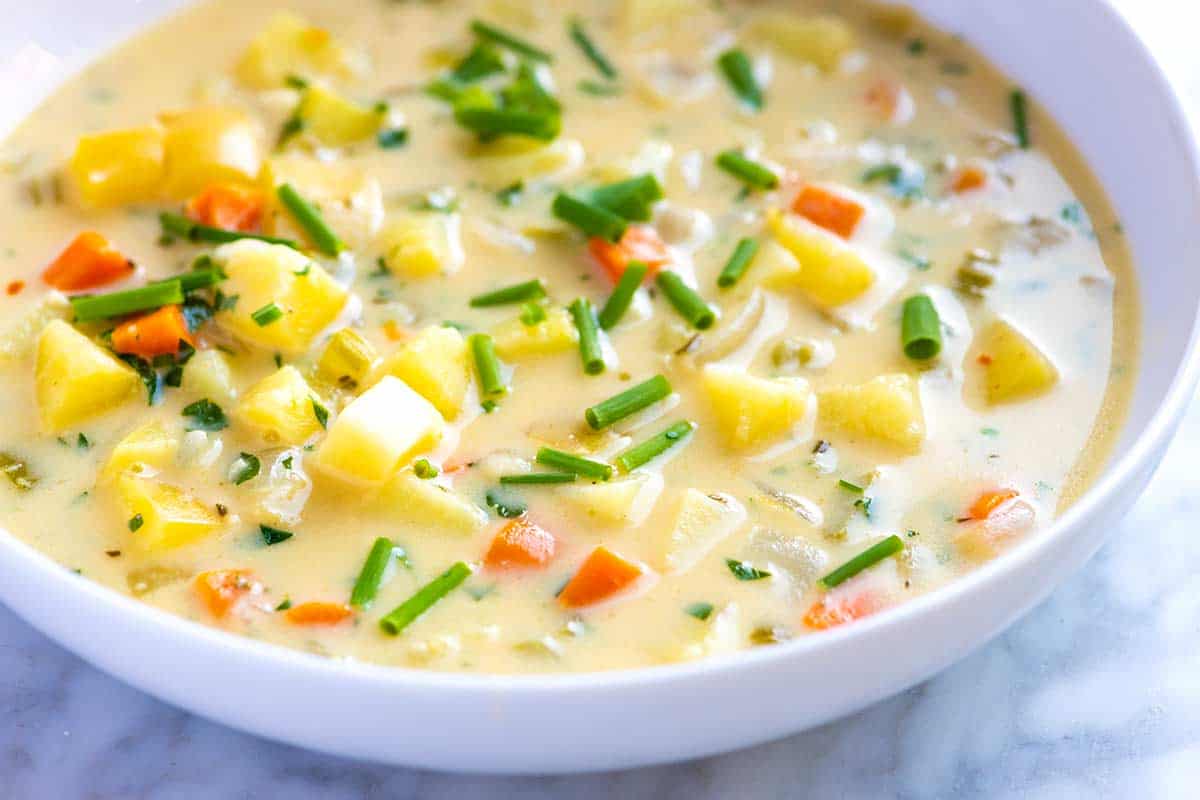
Step 3: Adding the Potatoes and Stock
Once the aromatics are ready, add the diced potatoes to the pot. Stir them gently so they are coated in the butter and onion mixture. This step allows the potatoes to absorb some of the flavor before liquid is introduced.
Pour in the stock gradually, ensuring the potatoes are fully submerged. Increase the heat slightly until the liquid reaches a gentle boil, then reduce to a simmer. Simmering rather than boiling aggressively prevents the potatoes from breaking apart unevenly and keeps the soup from becoming gluey.
Cover the pot partially and let the soup cook until the potatoes are fork-tender. This usually takes about 15 to 20 minutes, depending on the size of the potato cubes.
Step 4: Seasoning at the Right Time
Seasoning is best done in stages. Add a small amount of salt and pepper once the soup begins simmering. As the potatoes cook, they absorb seasoning, so early salting helps distribute flavor evenly.
Taste the soup periodically and adjust seasoning as needed. Avoid adding too much salt at once, especially if your stock is already seasoned. A balanced potato soup recipe highlights the natural flavor of the potatoes rather than masking it with excessive salt.
If using herbs, add them during this stage so they have time to infuse the broth. Whole herbs can be removed later, leaving behind a gentle aroma.
Step 5: Creating the Creamy Texture
Once the potatoes are fully cooked, it is time to create the signature creamy texture. There are two main methods: mashing and blending. For a rustic soup, use a potato masher to crush some of the potatoes directly in the pot, leaving small chunks for texture. For a smoother soup, use an immersion blender to partially blend the soup.
Add milk or cream gradually while stirring. This step softens the texture and enriches the flavor. Heat the soup gently after adding dairy, avoiding a full boil to prevent curdling.
This step defines the character of the potato soup recipe, allowing you to customize it from chunky to silky smooth.

Step 6: Final Adjustments and Simmering
After adding dairy, let the soup simmer gently for a few more minutes. This allows flavors to meld and the texture to stabilize. Taste again and adjust seasoning if needed.
If the soup is too thick, add a small amount of warm stock or milk to loosen it. If it is too thin, allow it to simmer uncovered until it reaches your desired consistency. Patience at this stage results in a well-balanced soup that feels cohesive and comforting.
Step 7: Resting Before Serving
Allowing the soup to rest for a few minutes off the heat improves flavor. During this time, starches settle and the soup thickens slightly. This resting period also makes it easier to assess the final consistency and seasoning.
A properly rested potato soup recipe tastes smoother and more developed than one served immediately after cooking.
Serving Suggestions
Potato soup can be served on its own or paired with simple sides. Crusty bread complements the creamy texture, while a fresh salad provides contrast. Serving the soup hot but not boiling ensures the best flavor and mouthfeel.
Presentation matters as well. A clean bowl and a smooth surface create an inviting appearance that enhances the dining experience.
Variations of Potato Soup
One of the strengths of potato soup is its adaptability. You can modify the base recipe to suit different tastes or dietary needs. Adding vegetables such as carrots or leeks introduces sweetness and color. Incorporating spices creates warmth and depth. For a lighter version, use milk instead of cream, or reduce the amount of dairy altogether.
Each variation builds on the same foundational potato soup recipe, proving how versatile this dish can be without losing its essence.
Nutritional Value and Benefits
Potatoes are a good source of carbohydrates, providing energy and satiety. When combined with milk or cream, the soup offers calcium and protein. Using homemade stock increases nutritional value while reducing unnecessary additives.
This balance of nutrients makes potato soup a comforting yet nourishing meal suitable for different age groups.
Common Mistakes to Avoid
Avoid overcooking the potatoes, as this can result in a gummy texture. Do not rush the sautéing of onions, as insufficient cooking leads to a sharp taste. Adding dairy too early can cause separation, while excessive blending can make the soup overly thick.
Understanding these pitfalls helps ensure that your potato soup recipe turns out consistently well.
Storing and Reheating Potato Soup
Potato soup stores well when handled properly. Allow it to cool completely before refrigerating. Store in an airtight container and consume within a few days.
When reheating, warm the soup gently over low heat, stirring frequently. Add a splash of milk or stock if the soup has thickened too much during storage. Proper reheating preserves texture and flavor.
Why This Potato Soup Recipe Works
This recipe succeeds because it respects the natural qualities of potatoes while enhancing them with thoughtful technique. Slow cooking, layered seasoning, and careful handling of dairy ensure a balanced and satisfying result. Each step builds logically on the previous one, making the process approachable even for beginners.
By following this potato soup recipe, you gain not just a dish but a deeper understanding of soup-making fundamentals.
Conclusion
Potato soup is a timeless dish that proves simplicity can be extraordinary. With just a handful of ingredients and a clear step-by-step approach, you can create a meal that feels comforting, nourishing, and deeply satisfying. This guide has walked you through every stage, from preparation to serving, ensuring clarity and confidence in the kitchen.
Whether you are cooking for yourself, your family, or guests, mastering this potato soup recipe gives you a reliable and versatile option that never goes out of style. With practice, you will find your own rhythm and preferences, turning this classic soup into a personal favorite that you can return to again and again.
Read More:- Chicken Noodle Soup Recipe: A Complete Step-by-Step Guide