

Introduction
People have been eating whole milk for hundreds of years. It is a dairy product that is full of nutrients. Whole milk preserves its natural fat level, which is normally about 3.25%. This is not the same as skim or low-fat milk. This fat not only makes milk creamy and delectable, but it also helps the body take in vitamins A, D, E, and K, which are fat-soluble. People all across the world drink whole milk and use it to produce cheese, yogurt, and butter, among other things.
Whole milk is good for more than simply its taste. It has a lot of protein, essential fatty acids, calcium, and other minerals that are helpful for growth, bone health, and overall wellness. In 2026, families, athletes, and those who wish to eat well still drink whole milk.
The Health Benefits of Whole Milk
People like whole milk since it is good for them. The table below lists all the nutrients that are in a normal 1-cup (240 ml) serving of whole milk:
| Nutrient | Amount per Cup | Daily Value Percentage |
|---|---|---|
| Calories | 150 kcal | 7% |
| Total Fat | 8 g | 12% |
| Saturated Fat | 5 g | 25% |
| Cholesterol | 35 mg | 12% |
| Protein | 8 g | 16% |
| Carbohydrates | 12 g | 4% |
| Calcium | 276 mg | 28% |
| Vitamin D | 124 IU | 31% |
| Vitamin A | 112 IU | 2% |
| Potassium | 322 mg | 9% |
Whole milk is quite satisfying since it provides both protein and fat. When taken in moderation, it can help you keep your weight and energy levels in balance.
The Health Benefits of Drinking Whole Milk
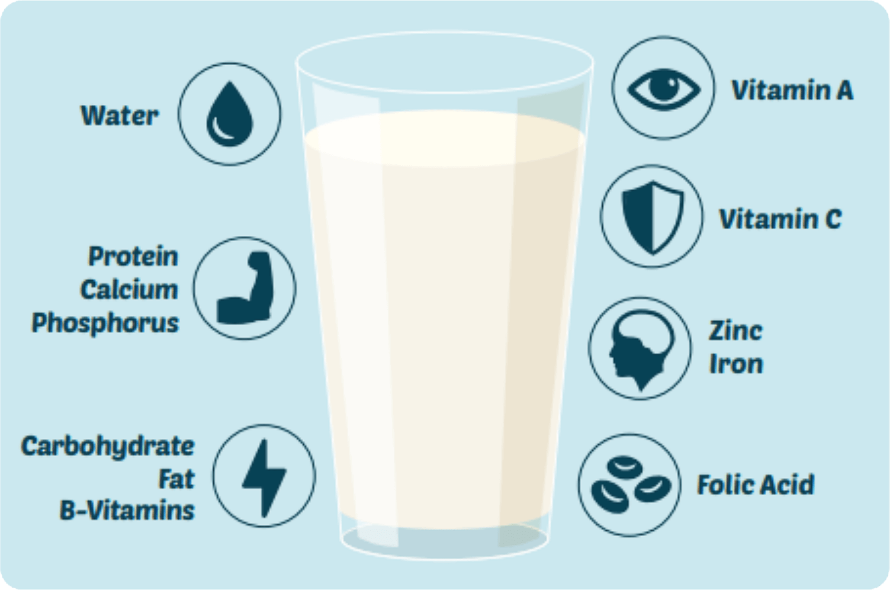
Some individuals choose low-fat milk over whole milk, although whole milk is better for your health in a number of ways. The fat in whole milk is vital for brain growth, especially in kids. It also helps keep hormones in adults healthy. Calcium and vitamin D are both good for bones, and whole milk has a lot of both.
Some studies from 2026 show that whole milk may help keep blood sugar levels steady, which could lessen the risk of type 2 diabetes. Conjugated linoleic acid (CLA) is found in whole milk fat. It has anti-inflammatory properties and may be excellent for heart health.
Vitamins A and E, which dissolve in fat, help cells heal and make skin more elastic. This means that whole milk might be excellent for your skin and hair. It has been shown that moderate amounts of whole milk can enhance the body’s metabolism and make it easier for the body to get nutrients from other foods.
How to Cook with Whole Milk
When you cook and bake, you may use whole milk in a lot of various ways. It has a thick, creamy texture and a powerful taste that works well in soups, sauces, and desserts. When producing ice cream, custards, and puddings, chefs usually use whole milk instead of low-fat milk since it makes the texture smooth and rich.
When you bake cakes, bread, and muffins with whole milk, they come out softer and moister. It also makes the dough rise, which makes it taste and feel better. Whole milk is an important aspect of cooking and nutrition because many traditional dishes around the world use it.
Whole Milk vs. Other Kinds of Milk

You can see that whole milk is better for your health and works better than low-fat and skim milk. Low-fat and skim milk have fewer calories and fat, but they also lose key fatty acids and fat-soluble vitamins. Whole milk preserves these nutrients, so it’s a preferable alternative for folks who don’t have any dietary restrictions.
| Milk Type | Fat Content | Calories per Cup | Key Nutrients |
|---|---|---|---|
| Whole Milk | 3.25% | 150 kcal | Vitamins A, D, Calcium, Protein |
| Low-Fat Milk | 1% | 100 kcal | Calcium, Protein |
| Skim Milk | 0% | 80 kcal | Calcium, Protein |
People who seek the best taste and nutrition should still drink whole milk.
Whole Milk is Good for Kids’ Health

Kids between the ages of 1 and 5 should drink whole milk. At this point, fat is particularly necessary for learning, brain growth, and energy needs. In 2026, pediatric nutrition rules still suggest that toddlers should drink mostly whole milk as long as they eat a balanced diet that includes fruits, vegetables, and grains.
When kids are old enough, giving them whole milk can also help them learn to like nutritious meals, which will make them more likely to eat items that are good for them. You shouldn’t consume too much of it, though, because it could make you eat too many calories and saturated fat.
Whole Milk and Bone Health
Whole milk has a lot of calcium and vitamin D, which are highly necessary for growing and keeping bones strong. Adults who consume whole milk every day have stronger bones and are less likely to suffer osteoporosis. Whole milk is full of protein and other minerals that are good for bones and muscles.
Studies demonstrate that adults who consume modest amounts of whole milk have stronger bones than those who only drink low-fat or non-dairy alternatives.
Whole Milk for Sports Nutrition
Athletes and anyone who likes to work out should drink whole milk because it is full of vitamins and minerals. Getting the appropriate amount of protein and fat helps your muscles repair, provides you energy, and keeps your hormones in line. People usually drink whole milk as part of their post-workout diet. They may mix it into smoothies or drink it with snacks to help them perform better and recover faster.
People who are active should drink whole milk since it has potassium and other electrolytes that assist keep you hydrated and your muscles operating well.
What Whole Milk Does to the Environment

In 2026, sustainability is a huge deal in the food industry. Whole milk is a dairy product that affects the environment by emitting greenhouse gases, demanding land, and utilizing water. A lot of farms are adopting rotational grazing, renewable energy, and higher feed efficiency to make high-quality whole milk while having less of an effect on the environment.
More and more people are considering purchasing their milk from farms that treat animals well and don’t harm the environment. This suggests that people are starting to care more about the environment.
How to Keep Whole Milk and How Long It Will Last
It is important to refrigerate whole milk properly to keep it safe and fresh. You should keep whole milk in the fridge at 0–4°C and drink it within 5–7 days of opening it. Because raw milk spoils more quickly than pasteurized whole milk, you need to be careful with it.
You can freeze whole milk, but the fat may separate a little. If you shake the milk before you use it, it will go back to the way it was. If you know when food goes bad and how to store it correctly, you can get the most flavor and nutrition out of it.
What People Get Wrong About Whole Milk
People sometimes say that whole milk has too much saturated fat, even if it has some good things about it. A lot of people say it makes you fat or gives you heart disease, but a new study from 2026 reveals that eating it in moderation as part of a balanced diet doesn’t elevate these risks. Whole milk is naturally full of nutrients and can be part of a balanced diet without any difficulties.
People also believe that low-fat milk is always better. Whole milk includes key fat-soluble vitamins and can help you feel full, which may help you lose weight and improve your metabolic health.
Conclusion
Whole milk is still a very healthful and beneficial dairy product in 2026. Kids, adults, and athletes still eat a lot of whole milk because it is creamy and has a lot of protein, vitamins, and minerals. It is more than just a drink because it is nutritious for you, can be used in cooking, and keeps your bones and brain healthy.
People who want to have a healthy and balanced diet should drink whole milk in moderation because it is good for their health. People all across the world still like whole milk because it tastes nice, is beneficial for you, and can be used in many different dishes. This is why it is a common food in both old and new diets.
Read More:- How Long Does Cooked Chicken Last in the Fridge: Storage Guide 2026