

Introduction
Fast food has become an essential part of modern life. Busy schedules, long commutes, and limited cooking time often make quick-service restaurants the most convenient option. While fast food has traditionally been associated with high calories, excess sodium, and unhealthy fats, the reality has changed significantly in recent years. Many popular chains now offer nutritious alternatives that focus on fresh ingredients, balanced macronutrients, and mindful portion sizes. Understanding how to identify the healthiest fast food options can help you maintain a balanced diet even when you are eating on the go.
The idea that fast food is always unhealthy is outdated. Today’s menus include grilled proteins, whole grains, plant-based meals, low-sugar beverages, and customizable options that allow consumers to control calories and nutrients. By learning how to read menus carefully and make informed decisions, you can enjoy convenience without sacrificing your health goals. Choosing the healthiest fast food is not about perfection but about making better decisions consistently.
Why Choosing Healthier Fast Food Matters
The food we eat regularly has a direct impact on energy levels, digestion, weight management, heart health, and overall well-being. When fast food becomes a frequent part of your routine, the nutritional quality of those meals becomes even more important. Diets high in processed foods, refined carbohydrates, and saturated fats can increase the risk of obesity, diabetes, and cardiovascular disease. On the other hand, selecting meals rich in lean protein, fiber, vitamins, and minerals supports long-term health.
Opting for the healthiest fast food choices can help regulate blood sugar, reduce unhealthy cravings, and improve mental focus throughout the day. Healthier options also tend to be more filling, which may reduce the temptation to snack excessively later. This makes mindful fast food choices an important strategy for people who rely on quick meals due to work, travel, or lifestyle constraints.
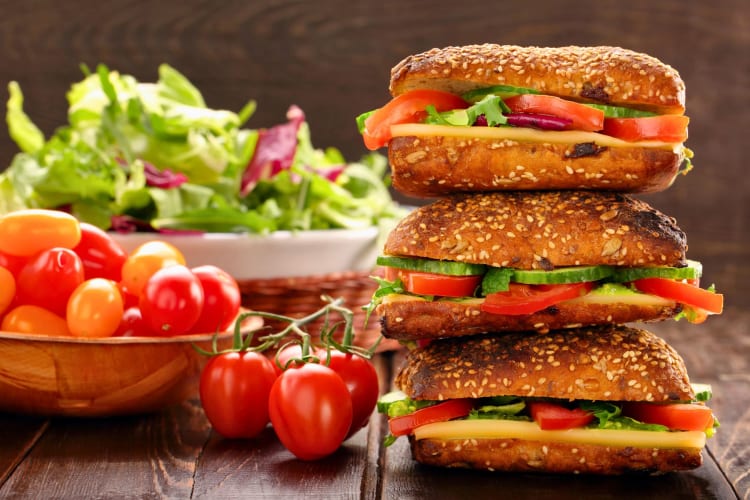
Key Characteristics of the Healthiest Fast Food
To identify nutritious options quickly, it helps to understand what makes a fast food meal healthier. One of the most important factors is ingredient quality. Meals made with whole foods, such as fresh vegetables, grilled meats, legumes, and whole grains, are generally more nutritious than those made with heavily processed ingredients.
Another key characteristic is balance. The healthiest fast food meals usually include a good mix of protein, complex carbohydrates, and healthy fats. Protein supports muscle maintenance and satiety, carbohydrates provide energy, and fats help with nutrient absorption. Portion control also plays a significant role, as even nutritious foods can become unhealthy when consumed in excess.
Low levels of added sugar, sodium, and trans fats are also essential markers of healthier fast food. Many restaurants now provide nutrition information, making it easier to compare options and choose meals that align with your dietary needs.
Protein-Rich Fast Food Choices
Protein is one of the most important nutrients to prioritize when selecting fast food. High-protein meals help you feel full longer, support metabolism, and stabilize energy levels. Grilled chicken sandwiches, grilled fish fillets, egg-based breakfast options, and lean beef patties are examples of protein-rich fast food items that can be part of a healthy diet.
Plant-based protein options have also gained popularity. Meals featuring beans, lentils, tofu, or chickpea-based patties provide protein along with fiber and essential micronutrients. These options are particularly beneficial for individuals following vegetarian or flexitarian diets. When evaluating protein choices, it is best to avoid breaded or deep-fried items, as these add unnecessary calories and unhealthy fats.
The Role of Vegetables in Fast Food Meals
Vegetables are often the most overlooked component of fast food meals, yet they are crucial for overall nutrition. They provide fiber, antioxidants, and essential vitamins that support digestion and immune function. Many fast food restaurants now offer salads, vegetable bowls, wraps, and customizable meals where you can add extra vegetables.
Choosing meals with a generous portion of vegetables can significantly improve the nutritional profile of fast food. Leafy greens, tomatoes, cucumbers, peppers, onions, and cruciferous vegetables all contribute to better health. When ordering salads, it is important to be mindful of dressings, as creamy sauces can quickly add excess calories and fat. Opting for lighter dressings or using them sparingly helps maintain balance.

Whole Grains and Smart Carbohydrate Choices
Carbohydrates are an essential energy source, but the type of carbohydrates you choose makes a big difference. Whole grains digest more slowly than refined grains, helping to maintain steady blood sugar levels. Some fast food restaurants now offer whole-grain bread, brown rice, quinoa, or oats as part of their menu.
Choosing whole-grain options over white bread or refined rice is a smart way to make fast food healthier. These choices provide more fiber, which supports digestion and heart health. Even when whole grains are not available, selecting smaller portions of refined carbohydrates and balancing them with protein and vegetables can improve meal quality.
Healthy Fats in Fast Food
Fats are often misunderstood, but healthy fats play an important role in a balanced diet. Unsaturated fats found in nuts, seeds, avocados, olive oil, and certain fish support heart health and brain function. Some fast food meals include these healthier fat sources, especially in salads, grain bowls, and Mediterranean-style offerings.
The healthiest fast food options tend to limit saturated and trans fats, which are commonly found in fried foods, processed meats, and creamy sauces. Choosing grilled items, avoiding excessive cheese, and skipping heavy sauces can help reduce unhealthy fat intake while still enjoying flavorful meals.
Breakfast and the Healthiest Fast Food Options
Breakfast is often rushed, making fast food a common choice in the morning. Fortunately, many restaurants offer nutritious breakfast items that go beyond sugary pastries and fried options. Egg-based meals, oatmeal, yogurt with fruit, and whole-grain breakfast sandwiches are examples of healthier choices.
Protein-rich breakfasts can help control hunger throughout the day and reduce overeating later. When selecting breakfast fast food, it is wise to limit added sugars and choose items that provide a balance of protein, fiber, and healthy fats. These choices support sustained energy and mental clarity.

Beverages and Their Impact on Fast Food Nutrition
Beverages can significantly affect the healthiness of a fast food meal. Sugary drinks, including sodas and sweetened juices, add empty calories and contribute to blood sugar spikes. Choosing water, unsweetened tea, black coffee, or low-fat milk is a simple way to improve the nutritional value of your meal.
Some fast food restaurants also offer smoothies or flavored beverages that may seem healthy but contain high amounts of sugar. Reading nutrition information and opting for unsweetened or lightly sweetened drinks helps you stay aligned with your health goals. Beverage choices are often the easiest area to make a positive change.
Customization: A Powerful Tool for Healthier Eating
One of the biggest advantages of modern fast food is customization. Many restaurants allow you to modify meals by choosing ingredients, portion sizes, and preparation methods. This flexibility makes it easier to create the healthiest fast food meals tailored to your preferences.
Simple customizations can make a big difference. Choosing grilled instead of fried proteins, adding extra vegetables, selecting whole grains, and reducing sauces are effective strategies. Asking for dressings or condiments on the side gives you control over how much you consume. These small adjustments can significantly reduce calories, sodium, and unhealthy fats.
The Healthiest Fast Food for Weight Management
For individuals focused on weight management, fast food does not have to be off-limits. The key is to choose meals that are satisfying without being calorie-dense. High-protein, high-fiber meals tend to be more filling, helping to prevent overeating.
Portion awareness is also crucial. Some fast food meals are larger than necessary, so choosing smaller sizes or sharing can help maintain balance. Avoiding combo meals with fries and sugary drinks can further reduce excess calorie intake. When approached thoughtfully, the healthiest fast food can support weight goals rather than hinder them.
Fast Food and Special Dietary Needs
Many people have specific dietary requirements, such as vegetarian, vegan, gluten-free, or low-sodium diets. Fast food restaurants are increasingly accommodating these needs with diverse menu options. Plant-based meals, gluten-free alternatives, and customizable bowls make it easier to find suitable choices.
For individuals with dietary restrictions, reviewing nutrition information and ingredient lists is essential. The healthiest fast food options for special diets are those that prioritize simple, whole ingredients and avoid unnecessary additives. Asking staff about preparation methods can also help ensure meals meet your needs.

The Evolution of Fast Food and Health Trends
The fast food industry has evolved significantly in response to consumer demand for healthier options. Trends such as plant-based eating, clean ingredients, and transparency have influenced menu development. Many chains now highlight calorie counts, protein content, and allergen information to help customers make informed choices.
This shift reflects a broader awareness of health and wellness. As competition increases, restaurants are motivated to innovate and offer meals that appeal to health-conscious consumers. This means that finding the healthiest fast food is becoming easier and more accessible than ever before.
Practical Tips for Choosing the Healthiest Fast Food
Making healthier fast food choices becomes easier with a few practical strategies. Planning ahead by checking menus online can help you avoid impulsive decisions. Eating slowly and paying attention to hunger cues allows you to enjoy your meal without overeating.
Balancing fast food meals with healthier home-cooked meals throughout the week also supports overall nutrition. Fast food does not need to be perfect every time, but consistency in making better choices leads to positive long-term outcomes. Awareness, moderation, and balance are the foundation of healthy eating.
Conclusion: Fast Food Can Be Part of a Healthy Lifestyle
Fast food is an unavoidable part of modern life for many people, but it does not have to undermine your health. By understanding what makes a meal nutritious and applying simple strategies, you can confidently choose the healthiest fast food options available. Prioritizing lean protein, vegetables, whole grains, and healthier fats allows you to enjoy convenience while supporting your well-being.
The key is not to eliminate fast food entirely but to approach it with mindfulness and intention. With the growing availability of nutritious options, the healthiest fast food can fit seamlessly into a balanced lifestyle. Making informed choices today sets the foundation for better health tomorrow, proving that convenience and nutrition can coexist when approached wisely.
Read More:- Healthiest Fast Food Options: A Complete Guide to Eating Smart on the Go