

Introduction
Fast food has long been associated with greasy burgers, sugary drinks, and oversized portions, yet the modern food landscape has changed significantly. Today, many chains are responding to consumer demand for healthier meals by offering options that focus on fresh ingredients, balanced nutrition, and mindful preparation. Understanding the healthiest fast food options is no longer about avoiding fast food entirely but about making informed decisions that align with your health goals while still enjoying convenience. With busy schedules, long commutes, and packed workdays, fast food remains a practical choice for millions of people, making it essential to know how to eat smarter rather than eliminate it altogether.
The idea of healthy fast food revolves around balance. Instead of extreme restrictions, it emphasizes meals that provide lean protein, whole grains, vegetables, and healthy fats while limiting excess sodium, refined sugar, and unhealthy oils. When you learn how to identify the healthiest fast food options, you gain the freedom to eat out without guilt and without compromising long-term wellness. This guide explores what makes fast food healthier, how popular chains are evolving, and how you can customize meals to suit your nutritional needs.
What Defines Healthy Fast Food Today
Healthy fast food is not a single item or category but a combination of factors that work together to support overall well-being. Nutrient density plays a central role, meaning the food should provide vitamins, minerals, protein, and fiber relative to its calorie content. Meals that rely heavily on refined carbohydrates and saturated fats may be filling but often lack essential nutrients. In contrast, the healthiest fast food options tend to include grilled proteins, vegetables, legumes, and whole grains.
Another defining feature is portion control. Even nutritious ingredients can become unhealthy when consumed in excessive amounts. Many fast food chains now offer smaller portion sizes, half servings, or customizable bowls that allow customers to manage calorie intake more effectively. Preparation methods also matter, as grilling, baking, and steaming generally preserve nutrients and reduce unnecessary fat compared to deep frying. These factors together shape the modern understanding of healthier fast food.
The Rise of Health-Conscious Fast Food Chains
In recent years, fast food chains have adapted to changing consumer preferences. Increased awareness about obesity, heart health, and diabetes has pushed restaurants to innovate beyond traditional menus. Salads, grain bowls, wraps, and plant-based meals have become more common, making it easier to find the healthiest fast food options even at well-known chains.
This shift is not just a trend but a response to long-term demand. Many brands now provide nutritional information openly, allowing customers to make informed choices. Some have reduced sodium levels, removed trans fats, and introduced clean-label ingredients. The focus has expanded from taste alone to include transparency, sustainability, and overall health impact, reflecting a more holistic approach to fast food dining.
Lean Protein Choices That Support Health
Protein is a key component of healthy fast food because it promotes satiety, supports muscle maintenance, and stabilizes blood sugar levels. Grilled chicken, turkey, fish, eggs, beans, and legumes are among the most reliable protein sources available in fast food settings. These options provide essential amino acids without the excessive saturated fat found in many fried meats.
When evaluating the healthiest fast food options, grilled or roasted proteins should be prioritized over breaded or fried versions. Fish-based meals, particularly those featuring salmon or other fatty fish, also offer omega-3 fatty acids that support heart health. Plant-based proteins such as beans, lentils, and tofu are increasingly available and provide fiber alongside protein, making them excellent choices for balanced meals.
Whole Grains and Fiber-Rich Additions
Whole grains are an important element of healthier fast food meals because they provide sustained energy and digestive benefits. Brown rice, quinoa, whole wheat wraps, and oats are increasingly featured on fast food menus. These ingredients help slow digestion, prevent blood sugar spikes, and contribute to a feeling of fullness that lasts longer.
Fiber-rich foods also support gut health and cholesterol management. Vegetables, fruits, beans, and whole grains all contribute to daily fiber intake. The healthiest fast food options often include at least one high-fiber component, whether it is a salad base, a grain bowl, or a side of vegetables. Choosing meals that combine fiber with protein is one of the most effective strategies for maintaining balanced nutrition while eating out.

Smart Use of Fats and Sauces
Fats are not inherently unhealthy, but the type and quantity of fat matter significantly. Healthier fast food meals tend to use unsaturated fats from sources such as olive oil, nuts, seeds, and avocados. These fats support heart health and help the body absorb fat-soluble vitamins. In contrast, excessive saturated and trans fats can contribute to cardiovascular issues when consumed regularly.
Sauces and dressings are often hidden sources of calories, sugar, and sodium. While they add flavor, they can quickly turn a healthy meal into an indulgent one. When aiming for the healthiest fast food options, requesting sauces on the side or choosing lighter dressings can make a substantial difference. Simple flavor enhancers such as lemon juice, herbs, and spices often provide taste without unnecessary additives.
Sodium Awareness in Fast Food Meals
Sodium content is one of the biggest nutritional challenges in fast food. High sodium intake is linked to high blood pressure and increased risk of heart disease. Many fast food items contain more sodium than recommended for an entire day, making awareness essential for healthy eating.
Health-conscious fast food chains are gradually reducing sodium levels and offering lower-sodium alternatives. Choosing grilled items, avoiding processed meats, and limiting cheese-heavy dishes can help manage sodium intake. The healthiest fast food options often feature fresh ingredients and simple preparation, which naturally contain less salt than heavily processed foods.
Breakfast Choices That Start the Day Right
Fast food breakfast menus have evolved beyond sugary pastries and fried items. Healthier breakfast options now include oatmeal, egg-based dishes, yogurt, and fruit. These meals provide protein and fiber, helping to maintain energy levels throughout the morning.
When selecting breakfast from a fast food restaurant, it is beneficial to focus on whole foods and avoid excessive sugar. Oatmeal topped with fruit, egg whites with vegetables, or whole grain toast with avocado are examples of balanced meals that fit into the category of the healthiest fast food options. Starting the day with a nutritious meal sets a positive tone for overall dietary choices.
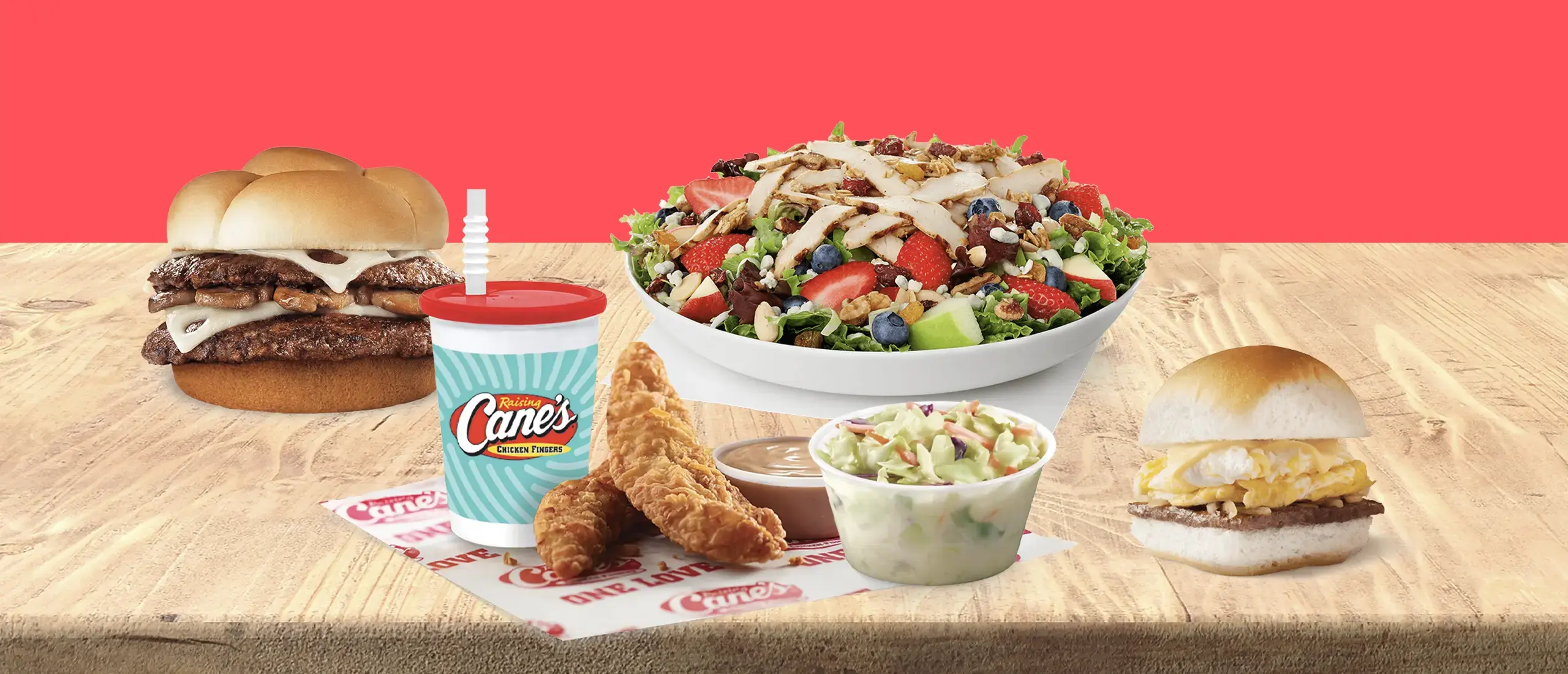
Lunch and Dinner Options for Balanced Nutrition
Lunch and dinner present more opportunities to build complete meals with a balance of macronutrients. Grain bowls, salads with lean protein, wraps made with whole grains, and vegetable-based dishes are increasingly available. These meals can be satisfying and flavorful without being overly indulgent.
Customization is one of the greatest advantages of modern fast food. By selecting your protein, base, and toppings, you can create a meal that suits your nutritional needs. This flexibility makes it easier to consistently choose the healthiest fast food options, even when dining out frequently.
Plant-Based and Vegetarian Fast Food Meals
Plant-based fast food has gained popularity due to its health and environmental benefits. Vegetarian and vegan options often emphasize vegetables, legumes, and whole grains, making them naturally high in fiber and nutrients. These meals can be lower in saturated fat and calories compared to traditional meat-heavy dishes.
However, not all plant-based fast food is automatically healthy. Some vegetarian items may still be fried or heavily processed. The healthiest fast food options in this category focus on minimally processed ingredients, balanced flavors, and adequate protein sources such as beans, lentils, or tofu.
How to Customize Meals for Better Health
One of the most effective ways to eat healthier at fast food restaurants is through customization. Simple changes, such as choosing grilled instead of fried, opting for whole grains, adding extra vegetables, and reducing cheese or sauces, can significantly improve a meal’s nutritional profile.
Portion control is another powerful tool. Sharing a meal, ordering a smaller size, or saving half for later can help manage calorie intake without feeling deprived. These strategies empower you to enjoy fast food while still prioritizing health, making it easier to consistently choose the healthiest fast food options.
Fast Food for Weight Management Goals
For individuals focused on weight management, fast food does not have to be off-limits. The key is selecting meals that provide high satiety with moderate calories. Protein-rich dishes, fiber-filled vegetables, and balanced portions support weight control by reducing overeating and stabilizing hunger.
Avoiding sugary beverages and choosing water or unsweetened drinks also plays a crucial role. Many calories consumed at fast food restaurants come from drinks rather than food. By making mindful beverage choices, you can enhance the benefits of the healthiest fast food options and support long-term weight goals.
Eating Healthy While Traveling or Working Long Hours
Fast food is often a necessity during travel or extended workdays. Airports, highways, and busy city centers frequently rely on fast food establishments for quick meals. Knowing how to identify healthier choices in these environments can prevent reliance on overly processed foods.
Planning ahead by reviewing menus, choosing meals with visible vegetables, and prioritizing protein can make a significant difference. The availability of healthier fast food options ensures that even in time-constrained situations, you can maintain a balanced diet without sacrificing convenience.

The Role of Transparency and Nutrition Labels
Nutrition transparency has become an important factor in healthier fast food dining. Many restaurants now display calorie counts and nutritional information directly on menus. This transparency empowers consumers to make informed decisions based on their dietary needs.
Understanding nutrition labels helps you compare options and identify hidden sugars, fats, and sodium. Over time, this awareness builds confidence in choosing the healthiest fast food options and encourages mindful eating habits that extend beyond fast food settings.
Long-Term Health and Fast Food Consumption
Incorporating fast food into a healthy lifestyle requires moderation and awareness. While occasional indulgence is normal, consistently choosing balanced meals supports long-term health. The goal is not perfection but progress, making healthier choices more often than not.
By understanding ingredients, preparation methods, and portion sizes, you can enjoy fast food without compromising wellness. The growing availability of healthier options reflects a broader shift toward mindful eating, making it easier than ever to maintain balance.
Conclusion on Healthiest Fast Food Options
Fast food no longer has to be synonymous with unhealthy eating. With thoughtful selection, customization, and moderation, it can fit into a balanced lifestyle. The healthiest fast food options emphasize lean protein, whole grains, vegetables, and mindful preparation while limiting excess sugar, sodium, and unhealthy fats.
As fast food continues to evolve, consumers benefit from greater choice and transparency. By applying the principles outlined in this guide, you can confidently navigate menus, enjoy convenience, and support your health goals. Choosing the healthiest fast food options is ultimately about making informed decisions that align with your lifestyle, proving that healthy eating and fast food can coexist successfully.
Read More:- Healthiest Fast Food Restaurants: Smart Choices for Modern Eating