

Introduction
People all throughout the world have long eaten whole milk because it tastes good and is full of nutrients. Whole milk, which is also called full-fat milk, has about 3.25% fat, which makes it creamier than skim milk or reduced-fat milk. This kind of milk has important nutrients that help with growth, bone health, and general health. In 2026, more people will want to get their protein, vitamins, and minerals from natural sources, therefore it’s important to know how whole milk affects your health.
The Macronutrient Content of Whole Milk
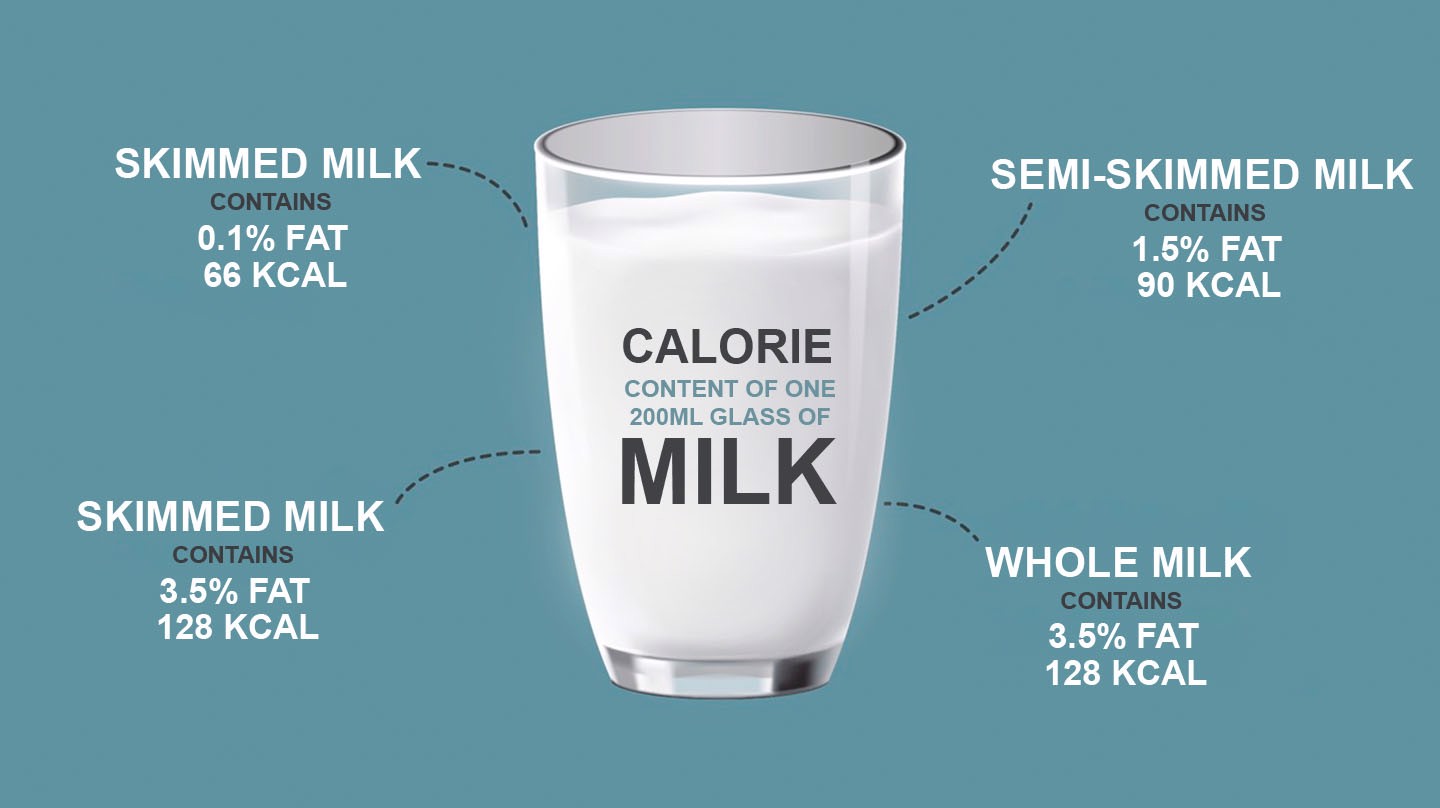
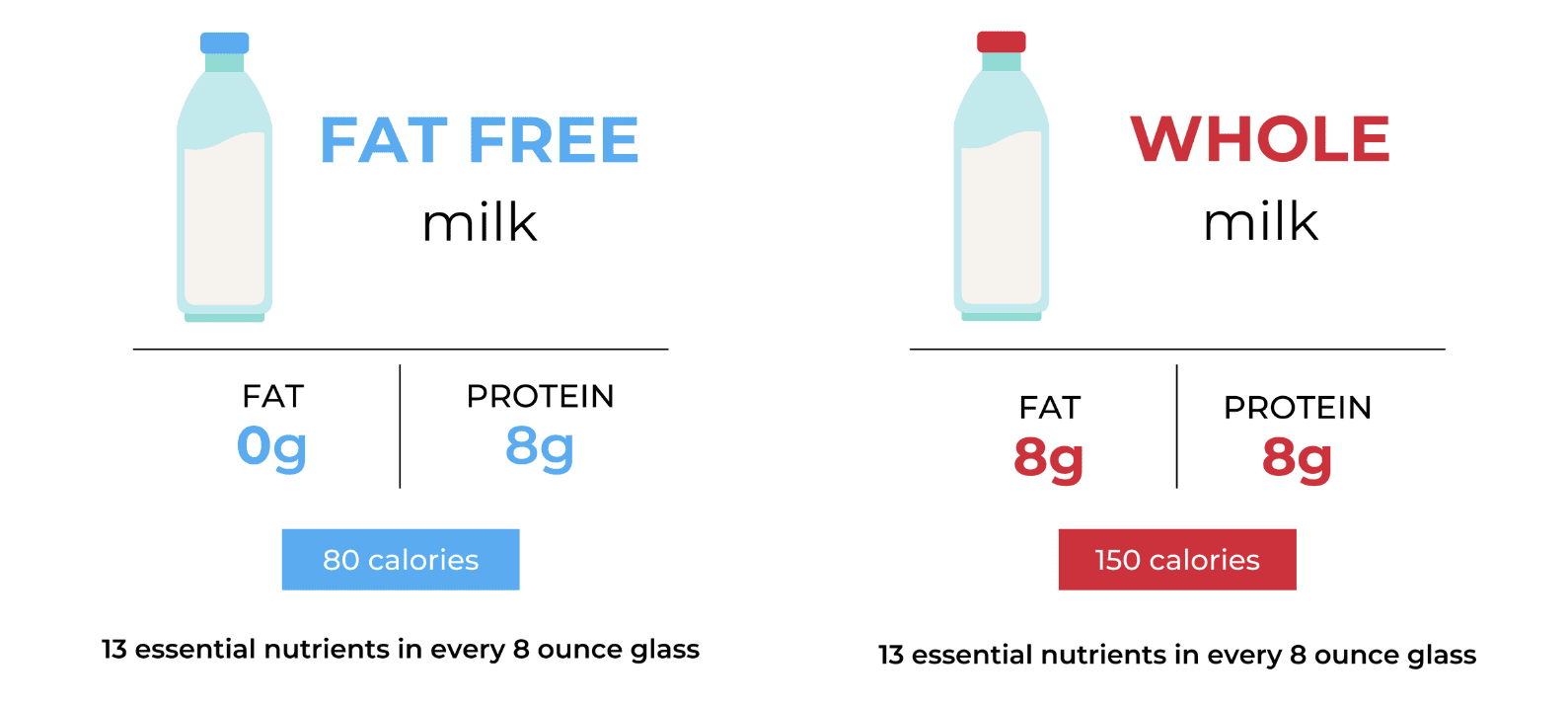
Fat, protein, and carbs are the three main macronutrients in whole milk. These macronutrients work together to give the body energy and do important jobs. Whole milk’s fat is made up of both saturated and unsaturated fats, which are important for making hormones and keeping the brain working. Whole milk has all the amino acids that your body needs, thus it is a complete source of protein. Lactose, the main carbohydrate in milk, gives you energy and helps your gut health by encouraging good bacteria.
Table 1: The Macronutrient Makeup of Whole Milk (per 100 ml)
| Nutrient | Amount | Daily Value %* |
|---|---|---|
| Calories | 61 kcal | 3% |
| Protein | 3.2 g | 6% |
| Fat | 3.3 g | 5% |
| Saturated Fat | 1.9 g | 10% |
| Carbohydrates | 4.8 g | 2% |
| Sugars (Lactose) | 4.8 g | – |
*Percent daily values are based on a diet of 2,000 calories.
Whole milk has fat and carbs that give you energy, so it’s good for kids, athletes, and people who require energy all day.
Whole Milk has Vitamins and Minerals in it
Whole milk is also good for you because it has a lot of vitamins and minerals. It has a lot of calcium, which is very important for the health of your teeth and bones. Adding vitamin D to food helps the body absorb calcium better. Riboflavin, vitamin B12, and niacin are all B vitamins that are important for nerve function and energy metabolism. Whole milk also has these vitamins. Phosphorus, potassium, and magnesium are other minerals that are good for your heart and kidneys.
Table 2: Important Vitamins and Minerals in 100 cc of Whole Milk
| Nutrient | Amount | Health Benefit |
|---|---|---|
| Calcium | 113 mg | Supports bone density and teeth |
| Vitamin D | 1 µg | Enhances calcium absorption |
| Vitamin B12 | 0.45 µg | Supports red blood cells and nerves |
| Riboflavin (B2) | 0.18 mg | Promotes energy metabolism |
| Phosphorus | 90 mg | Strengthens bones and teeth |
| Potassium | 150 mg | Supports heart and kidney function |
Whole milk nutrition is a natural and easy way to get all the vitamins and minerals you need every day.
Whole Milk Nutrition and Weight Loss
Some individuals stay away from whole milk because of the calories, but if you drink it in moderation, it may help you manage your weight. The fat in whole milk makes you feel full, which makes it less likely that you will eat too much. Research indicates that those who incorporate whole milk into their diet may experience prolonged satiety, hence mitigating unnecessary snacking. The protein concentration also helps keep and rebuild muscles, which is important for metabolism and body composition.
Nutrition in Whole Milk and Heart Health
For decades, people have argued over how whole milk nutrition affects heart health. Whole milk has saturated fat, but healthy people who drink it in moderation don’t necessarily have a higher risk of heart disease. Potassium, calcium, and bioactive peptides are all good for your heart since they help lower blood pressure and improve blood vessel function. Whole milk is a good choice for a balanced diet since it gives the heart important nutrients without too much processed fats.
The Nutrition in Whole milk is Good for Bones
People know that whole milk is good for bones. Calcium and vitamin D work together to keep bones strong and lower the risk of osteoporosis. Magnesium and phosphorus also help bones stay strong. Whole milk is a good source of nutrients and helps bones grow and stay healthy, so kids, teens, and older individuals should drink it often.
Whole Milk Nutrition for Pregnant Women
Whole milk is good for pregnant women since it has important nutrients for both the mother and the growing baby. Calcium and vitamin D help the bones of the fetus grow, while protein helps tissues expand. B vitamins, such as B12 and riboflavin, help the body use energy and grow the neurological system. Adding whole milk to a pregnant woman’s diet makes sure she gets enough nutrients for a healthy pregnancy.
Whole Milk for Kids’ Health

Whole milk is a great source of energy and nutrients for kids, therefore they often do well on it. The fat helps the brain grow, while the protein helps the body grow. During important growth periods, calcium, phosphorus, and vitamin D make bones stronger. Whole milk also has important vitamins that help with brain function and overall health, so it’s a good choice for kids under five unless a doctor says otherwise.
Things to Think about When it Comes to Whole Milk Nutrition and Lactose
Whole milk nutrition has many benefits, yet some people are worried about lactose intolerance. Lactose is a natural sugar in milk, and people who can’t digest it well may have stomach problems when they eat it. Milk that doesn’t have lactose in it can give you the same nutrients without making your stomach upset. To get the most out of whole milk nutrition and avoid discomfort, it’s crucial to know how much each person can handle.
Nutrition from Whole Milk and athletic Performance
Whole milk is good for athletes and those who are active since it has protein and carbohydrates. Carbohydrates give you energy for endurance and performance, while protein helps your muscles heal. Potassium and magnesium are two electrolytes that are also found in whole milk. They assist keep you hydrated and your muscles working properly when you exercise. Adding whole milk to a recovery meal can improve performance and general health.
Nutrition of Whole Milk in Adult Diets

Adults can also get health benefits from whole milk when they eat it as part of a balanced diet. It has important nutrients that help bones, the heart, and the body’s metabolic processes. Moderate amounts of whole milk can help you stay at a healthy weight, provide you energy, and give you vitamins and minerals that adults don’t always get enough of. Choosing whole milk over extensively processed dairy products makes sure that the nutrients are dense and the composition is natural.
Things to think about when it Comes to the Environment and Production
Making whole milk nutrition requires thinking about both nutrition and the environment. The quality and environmental impact of milk are affected by how dairy farmers treat their animals, how they farm, and how they use resources. When you buy milk from farms that are run in a responsible way, you get high-quality whole milk nutrition and support ethical and sustainable practices. Knowing about these things helps people choose where to get their milk.
Nutrition and Eating Habits with Whole Milk
Whole milk is good for you and can be part of many different diets, such as omnivorous, Mediterranean, and balanced diets. You may use it in drinks, baking, and cooking, which makes it a useful part of everyday meals. Whole milk goes well with fruits, cereals, and proteins, which makes a meal more nutritious overall. Learning how to add whole milk nutrition to diverse diets will help you get the most nutrients without eating too many calories.
Conclusion
Whole milk nutrition is still an important part of diets around the world since it is high in macronutrients, vitamins, minerals, and health benefits. Whole milk is good for people of all ages because it has nutrients that help bones grow, muscles mend, brains develop, and hearts stay healthy. Its involvement in pregnancy, childhood, and sports performance shows how versatile and important it is to a healthy diet. People may make smart food choices when they know about whole milk nutrition. Whole milk is a natural and nutrient-rich source of energy and vitamins.
In 2026, whole milk nutrition is still a good way to be healthy and well when eaten in moderation and as part of a balanced diet.
Read More:- Whole Milk Benefits, Nutrition, Uses, and Health Insights in 2026