

Introduction
Whole milk is one of the most commonly consumed dairy products worldwide. Known for its creamy texture and rich taste, it has been a staple in diets for centuries. Understanding whole milk nutrition facts is essential for anyone looking to maintain a balanced diet or make informed decisions about their health. This article explores the calories, vitamins, minerals, protein content, and overall health benefits of whole milk, providing a detailed look at what makes this dairy product both nourishing and versatile.
What is Whole Milk
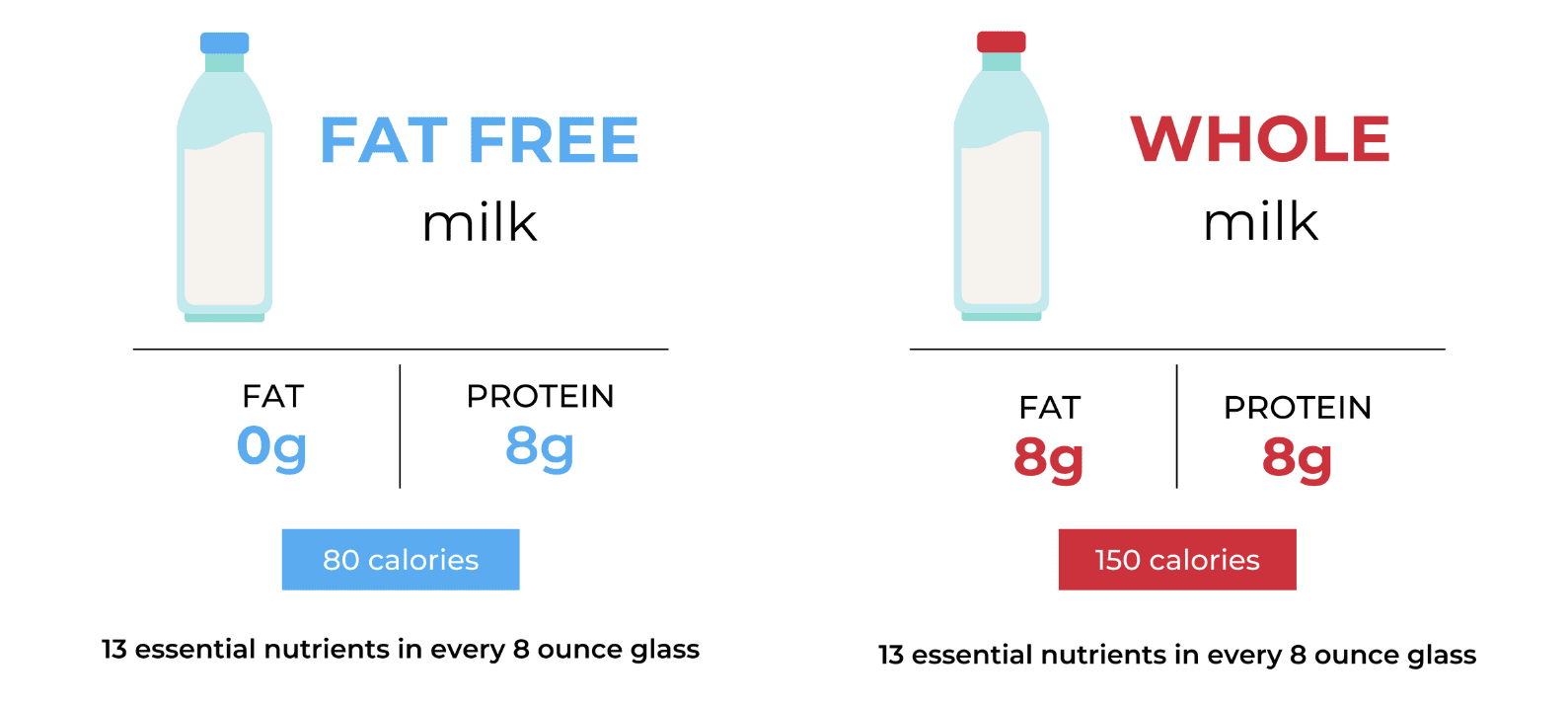
Whole milk is milk that retains its natural fat content, usually around 3.25%. Unlike skimmed or low-fat milk, whole milk has not had its fat content removed. The fat in whole milk contributes to its creamy consistency and rich flavor. When examining whole milk nutrition facts, the fat content plays a crucial role, as it affects calorie density and the absorption of fat-soluble vitamins. Whole milk is often recommended for children, athletes, and those who require higher caloric intake due to its nutrient density.
Caloric Content in Whole Milk
Calories are a key component when considering whole milk nutrition facts. One cup (240 ml) of whole milk contains approximately 150 calories. These calories are derived from carbohydrates, protein, and fats, with fat being the most significant contributor. Understanding the caloric breakdown is vital for individuals tracking their energy intake, whether for weight management, athletic performance, or overall health.
Table 1: Caloric Breakdown of Whole Milk (Per 1 Cup / 240 ml)
| Nutrient | Amount | Calories Contribution |
|---|---|---|
| Total Fat | 8 g | 72 kcal |
| Saturated Fat | 5 g | 45 kcal |
| Cholesterol | 24 mg | 0 kcal |
| Total Carbohydrates | 12 g | 48 kcal |
| Sugars (Lactose) | 12 g | 48 kcal |
| Protein | 8 g | 32 kcal |
| Total Calories | – | 150 kcal |
This table illustrates that fat accounts for nearly half of the calories in whole milk, emphasizing the importance of considering whole milk nutrition facts in diets that monitor fat intake.
Protein Content in Whole Milk
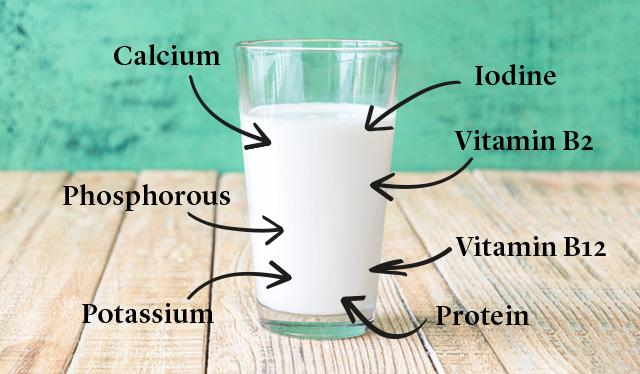
Protein is an essential macronutrient for muscle development, immune function, and overall cellular repair. Whole milk provides approximately 8 grams of protein per cup. This protein includes both casein and whey, which are high-quality proteins that offer all essential amino acids. Whole milk nutrition facts indicate that its protein content is comparable to other dairy products, making it an excellent source for maintaining muscle mass and supporting growth in children and adolescents.
The protein in whole milk also contributes to satiety, helping individuals feel full longer and supporting weight management when incorporated wisely into a balanced diet.
Fat Content and Types of Fat in Whole Milk
One of the most discussed aspects of whole milk nutrition facts is its fat content. Whole milk contains about 8 grams of fat per cup, including saturated fats, monounsaturated fats, and a small amount of polyunsaturated fats. Saturated fats, although often viewed with caution, play a role in hormone production, vitamin absorption, and energy supply.
The fat in whole milk also enhances the flavor and texture, making it a preferred choice for cooking, baking, and drinking. Understanding the types of fat in whole milk can help individuals make informed decisions regarding heart health and calorie intake.
Vitamins and Minerals in Whole Milk
Whole milk is rich in several essential vitamins and minerals. Its nutritional profile makes it more than just a source of calories; it provides key nutrients that support bone health, immunity, and metabolic processes.
Table 2: Vitamins and Minerals in Whole Milk (Per 1 Cup / 240 ml)
| Nutrient | Amount | % Daily Value* |
|---|---|---|
| Calcium | 276 mg | 28% |
| Vitamin D | 98 IU | 15% |
| Vitamin A | 112 mcg | 12% |
| Potassium | 322 mg | 9% |
| Phosphorus | 222 mg | 22% |
| Riboflavin (Vitamin B2) | 0.4 mg | 30% |
| Vitamin B12 | 1.1 mcg | 46% |
*Percent Daily Value (%DV) is based on a 2,000-calorie diet.
These nutrients illustrate why whole milk is considered a complete beverage. Calcium and phosphorus contribute to bone density, vitamin D enhances calcium absorption, and B vitamins support energy metabolism. Repeatedly including whole milk nutrition facts in dietary planning can ensure adequate intake of these vital nutrients.
Carbohydrates and Lactose Content
Whole milk contains approximately 12 grams of carbohydrates per cup, primarily in the form of lactose. Lactose is a natural sugar that provides energy and promotes calcium absorption. While lactose intolerance is a concern for some individuals, lactose-free whole milk alternatives maintain the nutrient profile while removing discomfort for sensitive individuals.
The carbohydrate content of whole milk makes it suitable for those needing quick energy, such as children and athletes. Understanding whole milk nutrition facts in relation to carbohydrate intake is particularly important for individuals monitoring blood sugar levels or following specific dietary plans.
Health Benefits of Whole Milk
:max_bytes(150000):strip_icc()/Health-GettyImages-2155064920-87abc2e179d9450c95893af751e28c5b.jpg)
The health benefits of whole milk are directly tied to its nutrition facts. Its high-quality protein, essential vitamins, minerals, and healthy fats contribute to multiple aspects of human health. Whole milk supports bone strength, muscle growth, and energy production. It may also reduce the risk of nutrient deficiencies in populations with limited access to fortified foods.
Consuming whole milk in moderation can help maintain a balanced diet, provide satiety, and support overall wellness. The nutrients in whole milk, especially calcium, vitamin D, and protein, are vital for growing children and adults alike.
Whole Milk vs. Low-Fat and Skim Milk
Comparing whole milk to low-fat and skim milk highlights key differences in whole milk nutrition facts. Low-fat milk has had some fat removed, reducing calorie content but also lowering fat-soluble vitamins. Skim milk removes nearly all fat, further decreasing calories but potentially affecting taste and satiety.
Whole milk provides a more complete nutritional profile, particularly in fat-soluble vitamins A and D. Choosing between milk types depends on individual dietary needs, health goals, and taste preferences.
Whole Milk in Cooking and Baking

Whole milk is widely used in cooking and baking due to its rich texture and flavor. Whole milk nutrition facts indicate that while it adds calories, it also contributes essential nutrients to recipes. From creamy sauces to baked goods, whole milk enhances texture and nutritional value. Incorporating whole milk into meals ensures both flavor and nutrient density.
Whole Milk and Bone Health
Bone health is one of the most well-known benefits of consuming whole milk. The combination of calcium, phosphorus, and vitamin D in whole milk nutrition facts promotes strong bones and teeth. Regular consumption can reduce the risk of osteoporosis and support skeletal development in children and adolescents.
Whole Milk for Weight Management
While often criticized for its fat content, whole milk can play a role in weight management. The protein and fat in whole milk increase satiety, potentially reducing overall calorie intake. Understanding whole milk nutrition facts allows individuals to integrate it into balanced diets without negatively affecting weight goals.
Whole Milk and Heart Health
Moderate consumption of whole milk can be compatible with heart health. While saturated fat intake should be monitored, research suggests that dairy fat may not be as harmful as once believed. Whole milk provides essential nutrients without the need for processed substitutes, making it a heart-healthy choice in moderation.
Whole Milk and Lactose Intolerance
For those with lactose intolerance, whole milk may cause digestive discomfort. Lactose-free whole milk options preserve whole milk nutrition facts, offering all the benefits without the lactose. This ensures accessibility to whole milk nutrients for everyone.
Whole Milk and Child Development
Whole milk is particularly important for children due to its nutrient density. The combination of calories, protein, fats, vitamins, and minerals supports growth, brain development, and bone health. Pediatric guidelines often recommend whole milk for children up to two years old to ensure adequate nutrient intake.
Whole milk nutrition facts make it a vital component of a child’s diet when consumed as part of a balanced meal plan.
Whole Milk and Hydration

Although not a substitute for water, whole milk contributes to hydration due to its water content of approximately 87%. It also provides electrolytes like potassium and sodium, supporting fluid balance. This aspect of whole milk nutrition facts is often overlooked but adds to its nutritional value.
Whole Milk and Nutrient Absorption
The fat in whole milk enhances the absorption of fat-soluble vitamins such as A, D, E, and K. Consuming whole milk with other nutrient-rich foods ensures maximum bioavailability, highlighting the importance of whole milk nutrition facts in a balanced diet.
Conclusion
Understanding whole milk nutrition facts is crucial for anyone looking to maintain a healthy diet. Whole milk provides essential calories, high-quality protein, healthy fats, vitamins, and minerals. Its benefits extend to bone health, muscle growth, child development, and overall wellness. Incorporating whole milk into a diet, whether for children, athletes, or adults, ensures a nutrient-dense option that supports multiple aspects of health. With careful portion control and awareness of individual dietary needs, whole milk remains a valuable and versatile food choice.
Read More:- Whole Milk vs 2 Percent: Nutritional Differences and Health Insights