

Introduction
Whole milk powder is a dry dairy product made by removing water from fresh whole milk. It retains the natural nutrients, fat content, and flavor of milk, making it a convenient alternative to liquid milk. Whole milk powder is widely used in households, food industries, and bakeries because of its long shelf life and versatility. In 2026, the demand for whole milk powder continues to rise due to its nutritional value and ease of use.
The production process of whole milk powder involves pasteurization, homogenization, concentration, and spray drying. This ensures that the milk retains its quality, vitamins, and minerals while preventing bacterial growth. Whole milk powder is different from skim milk powder as it retains the milk fat, providing a creamy taste and higher energy content.
Nutritional Composition of Whole Milk Powder

Whole milk powder is rich in essential nutrients including proteins, fats, carbohydrates, vitamins, and minerals. Its nutritional profile makes it a highly beneficial ingredient for human health.
Table 1: Nutritional Content of Whole Milk Powder (per 100g)
| Nutrient | Amount | Daily Value % (Approx.) |
|---|---|---|
| Energy | 496 kcal | 25% |
| Protein | 26 g | 52% |
| Fat | 27 g | 42% |
| Carbohydrates | 38 g | 13% |
| Calcium | 912 mg | 91% |
| Vitamin A | 1360 IU | 27% |
| Vitamin D | 40 IU | 10% |
| Iron | 0.8 mg | 4% |
Whole milk powder provides a concentrated source of energy and is ideal for individuals needing extra calories, such as children, athletes, and the elderly. The protein in whole milk powder supports muscle growth and repair, while the calcium and vitamin D content strengthens bones and teeth.
Production Process of Whole Milk Powder
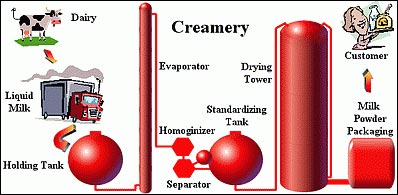
The production of whole milk powder is a multi-step process designed to retain milk’s natural nutrients while extending its shelf life. The steps are carefully monitored to ensure high-quality results:
1. Milk Collection and Pasteurization
Fresh milk is collected from dairy farms and pasteurized to eliminate harmful bacteria. Pasteurization involves heating the milk to a specific temperature for a set duration without altering its taste or nutrient content.
2. Homogenization
Homogenization is done to break down fat molecules, ensuring a uniform consistency. This step prevents cream separation and improves the solubility of milk powder in water.
3. Concentration
The milk is concentrated by removing water through evaporation. The concentration step increases the solids content, making the milk ready for drying.
4. Spray Drying
Spray drying is the final step where concentrated milk is converted into powder. Hot air evaporates remaining moisture, producing fine, free-flowing whole milk powder.
5. Packaging and Storage
The powder is packaged in moisture-proof containers to prevent spoilage. Whole milk powder can be stored for 6 to 12 months under proper conditions.
Uses of Whole Milk Powder
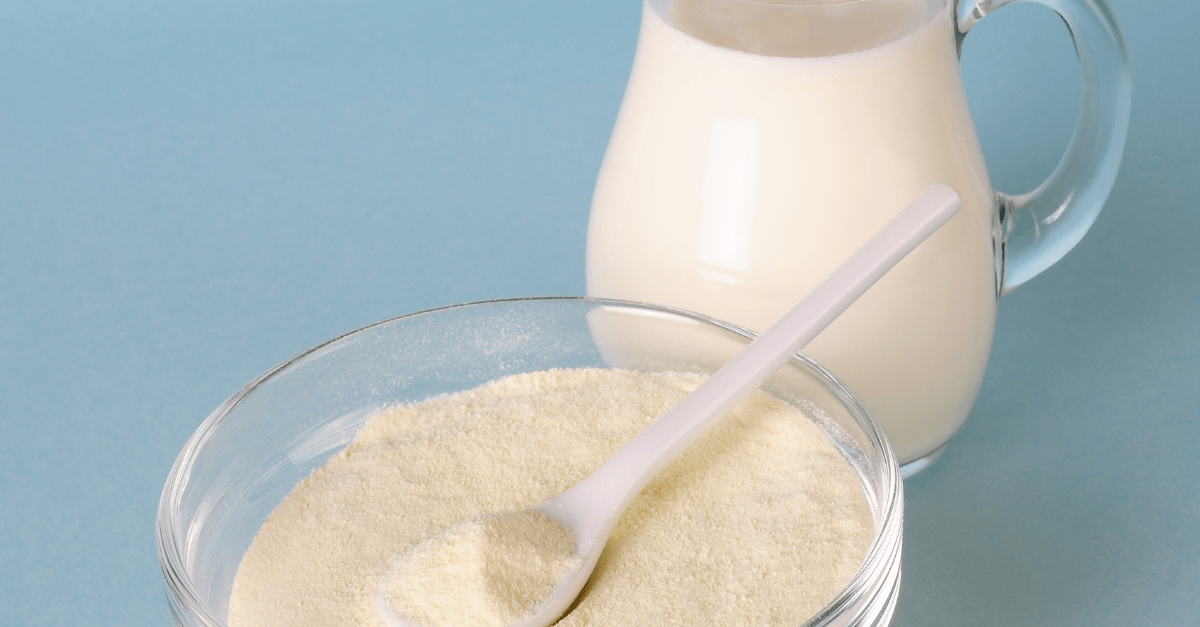
Whole milk powder has multiple uses across households, food industries, and specialized sectors.
1. Household Use
In homes, whole milk powder is used as a milk substitute in tea, coffee, cooking, and baking. It is particularly useful in areas where fresh milk is not readily available.
2. Baking and Confectionery
Whole milk powder enhances the texture, flavor, and nutritional content of baked goods. It is commonly used in cakes, cookies, bread, and pastries.
3. Dairy Products
Whole milk powder is a key ingredient in producing condensed milk, yogurt, cheese, and ice cream. It ensures consistency and improves shelf life.
4. Food Processing
Many processed foods such as soups, sauces, and ready-to-eat meals include whole milk powder as an essential ingredient for creaminess and nutritional enrichment.
5. Nutritional Supplements
Whole milk powder is used in protein shakes, meal replacements, and other dietary supplements because it is a rich source of protein, calcium, and vitamins.
Storage and Shelf Life of Whole Milk Powder
Proper storage is critical to maintain the quality and nutritional value of whole milk powder.
Storage Tips:
-
Store in a cool, dry place away from sunlight and moisture.
-
Keep the powder in airtight containers to prevent clumping and spoilage.
-
Avoid exposure to high temperatures as it can degrade the fat content.
Whole milk powder typically has a shelf life of 6 to 12 months if stored properly. Some ultra-high-quality powders can last up to 18 months. Rehydrated milk from whole milk powder should be consumed within 24 hours when kept refrigerated.
Comparison Between Whole Milk Powder and Skim Milk Powder
Whole milk powder and skim milk powder differ primarily in fat content, taste, and applications.
Table 2: Whole Milk Powder vs Skim Milk Powder
| Feature | Whole Milk Powder | Skim Milk Powder |
|---|---|---|
| Fat Content | 26-28% | 1-2% |
| Taste | Creamy and rich | Mild and less creamy |
| Calories | High | Low |
| Best Use | Baking, desserts, dairy products | Low-fat products, beverages |
| Nutritional Density | High | Moderate |
Whole milk powder is preferred for recipes requiring a creamy texture and high nutritional content. Skim milk powder is suitable for low-fat diets and calorie-conscious consumers.
Advantages of Using Whole Milk Powder

Using whole milk powder offers multiple benefits for both individuals and industries.
1. Convenience
Whole milk powder is easy to transport, store, and use, making it an excellent alternative to fresh milk.
2. Long Shelf Life
Unlike liquid milk, whole milk powder has a longer shelf life and is less prone to spoilage.
3. Nutritional Benefits
It retains essential nutrients like calcium, protein, and vitamins, supporting overall health.
4. Versatility
Whole milk powder can be used in various recipes, from beverages to baked goods, enhancing both flavor and texture.
5. Cost-Effectiveness
Bulk storage and reduced transportation costs make whole milk powder a cost-efficient dairy option.
Environmental Impact of Whole Milk Powder
The production of whole milk powder has an environmental footprint that includes energy consumption, water use, and carbon emissions. Modern dairy facilities are focusing on sustainable production methods to reduce environmental impact. Energy-efficient spray dryers and eco-friendly packaging help in minimizing carbon emissions.
Additionally, whole milk powder reduces wastage by providing a longer-lasting milk alternative, especially in regions where fresh milk cannot be stored for extended periods.
Tips for Using Whole Milk Powder in Cooking

1. Rehydration Ratio
For reconstituting whole milk, use approximately 1 part milk powder to 4 parts water. Adjust according to taste and recipe requirements.
2. Baking Applications
Add whole milk powder directly to dry ingredients to improve dough structure and baked product flavor.
3. Creaminess in Sauces and Soups
Mix whole milk powder with a small amount of water before adding to sauces to prevent lumps and achieve a creamy consistency.
4. Dairy Products at Home
Make homemade yogurt, cheese, or ice cream by adding whole milk powder to liquid milk to increase solids and improve texture.
5. Nutritional Boost
Incorporate whole milk powder in smoothies, protein shakes, or porridges to enhance calorie and protein intake.
Market Trends and Demand in 2026
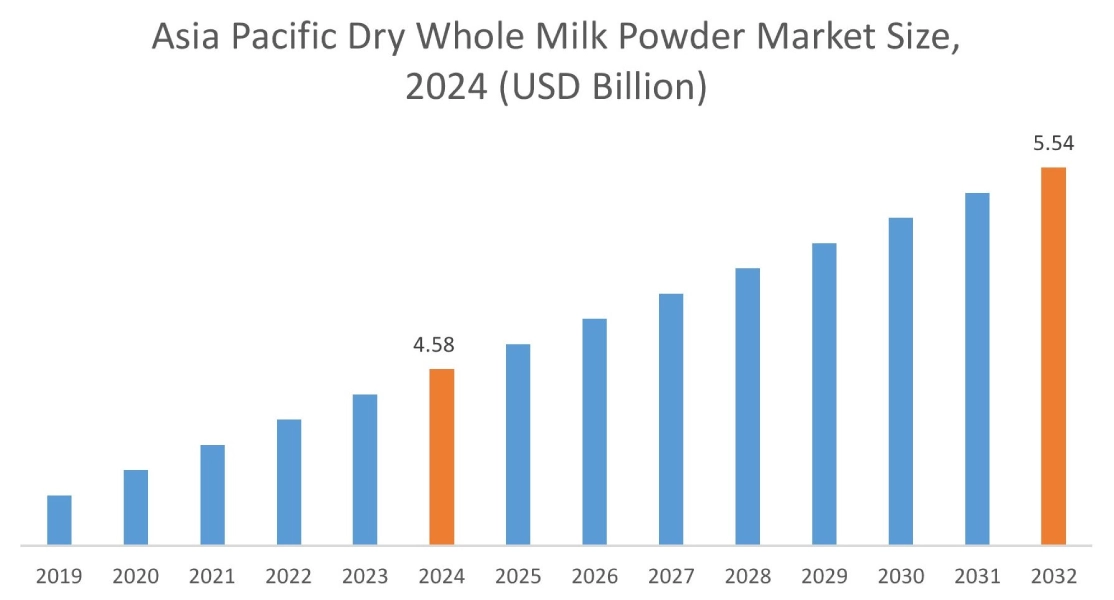
In 2026, whole milk powder continues to be in high demand globally. Its growth is driven by rising health consciousness, the need for convenient dairy products, and increased use in the food industry. Emerging markets are witnessing higher adoption due to urbanization and changing consumer lifestyles.
Whole milk powder is also gaining popularity among athletes, children, and elderly populations who require nutrient-dense diets. Manufacturers are introducing fortified versions enriched with vitamins and minerals to meet modern nutritional needs.
Common Challenges and Considerations
Despite its benefits, there are a few considerations when using whole milk powder.
1. Lactose Intolerance
Individuals with lactose intolerance may experience digestive issues. Lactose-free milk powders are an alternative.
2. Proper Storage
Exposure to moisture and high temperatures can lead to spoilage or clumping.
3. Cost Fluctuations
Prices may vary due to dairy market conditions, production costs, and global demand.
4. Fat Content Awareness
High-fat content may not be suitable for low-calorie or heart-conscious diets.
Conclusion
Whole milk powder is a versatile, nutrient-rich dairy product suitable for a wide range of culinary, industrial, and nutritional applications. Its creamy flavor, long shelf life, and convenience make it an essential ingredient in households, bakeries, and the food industry. As demand grows in 2026, whole milk powder remains an integral part of diets worldwide. By understanding its uses, storage, and nutritional benefits, consumers and manufacturers can maximize its potential while maintaining quality and health standards.
Whole milk powder is not just a dairy substitute but a complete solution for modern dietary and culinary needs. It continues to be valued for its versatility, nutrient density, and ability to enhance food products across the globe.
Read More:- Whole Milk Nutrition Facts: Health Benefits, Calories, and Minerals